Montessori Or Traditional Preschool? How To Choose The Right Fit Before Enrollment
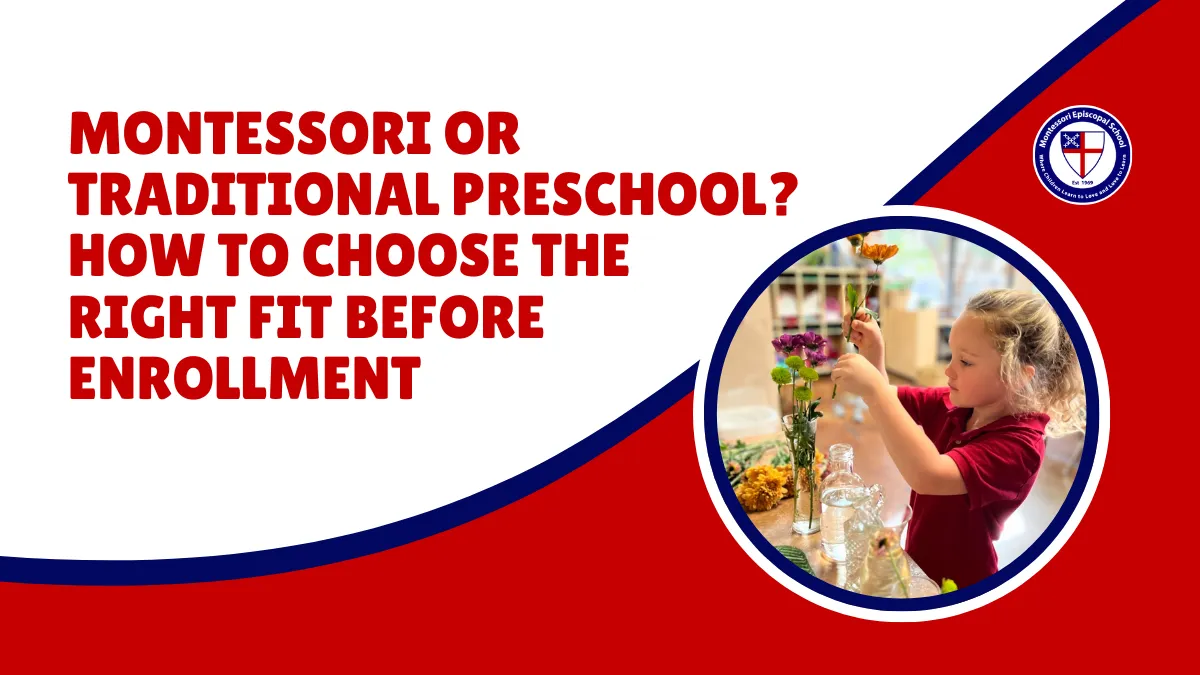
Montessori vs traditional preschool enrollment is one of the most important decisions families make when preparing for early childhood education. Both approaches can support a child’s growth, but they differ in classroom structure, teaching style, and daily expectations.
Montessori programs often emphasize independence, hands-on learning, and individualized progress, while traditional preschools may follow a more teacher-led routine with group-based instruction. Understanding these differences can help you choose the environment that best fits your child’s personality, learning needs, and readiness for school. With the correct information, enrollment can feel less overwhelming and more confident.
Is Montessori Better Than Traditional Preschool for Your Child?
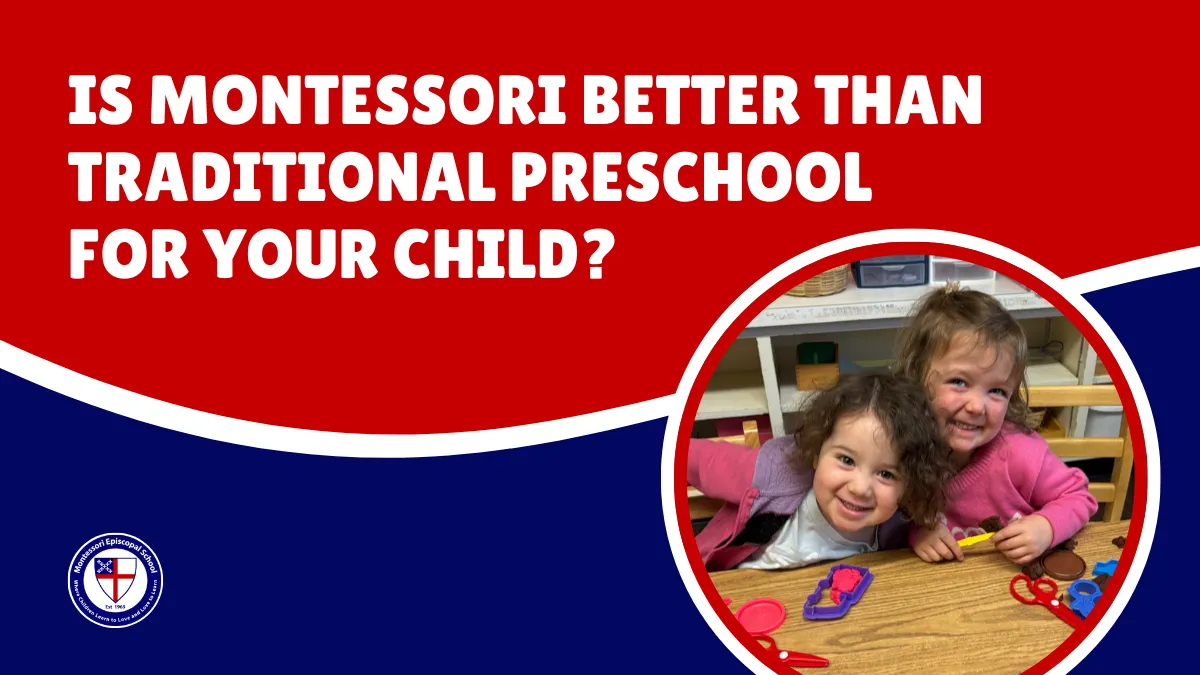
Choosing a preschool is a meaningful decision because the learning environment will shape how your child builds confidence, independence, and early academic skills. Montessori and traditional preschool programs both offer strong benefits, but they support development in different ways. The right choice depends on your child’s personality, learning style, and what your family values most in early education.
How Montessori Preschools Support Independence and Self-Confidence
Montessori classrooms encourage children to take ownership of their day through purposeful activities and hands-on materials. Children practice real-life skills, work at their own pace, and learn to complete tasks independently, building concentration and self-esteem along the way.
What Traditional Preschools Typically Offer
Traditional preschools often follow a teacher-led schedule with group instruction, planned activities, and consistent routines. This structure can be helpful for children who thrive with clear direction and enjoy learning through group participation and guided lessons.
Learning Style and Daily Classroom Structure
Both settings offer learning, but the daily flow can feel very different. As you compare programs, consider what best supports your child.
Montessori often includes:
- Self-directed work time
- Small-group learning and individualized lessons
- Calm, organized classrooms with defined learning areas
- Traditional preschool often includes:
- Whole-group teaching and circle time
- Structured transitions throughout the day
- Teacher-led projects and group activities
Social Development and Peer Interaction
Social growth is supported in both approaches, but Montessori classrooms may include mixed-age groups that promote leadership and peer learning. Traditional classrooms usually group children by age and focus on building social skills through teacher-guided play, cooperative activities, and group routines.
Preparing for Kindergarten and Long-Term Success
Both models can prepare children for kindergarten when the program is high-quality and developmentally supportive. Montessori often strengthens independence, focus, and problem-solving, while traditional preschool may build comfort with group instruction and classroom expectations. The best fit is the one that helps your child feel secure, capable, and excited to learn each day.
How to Choose a Montessori Preschool With Confidence
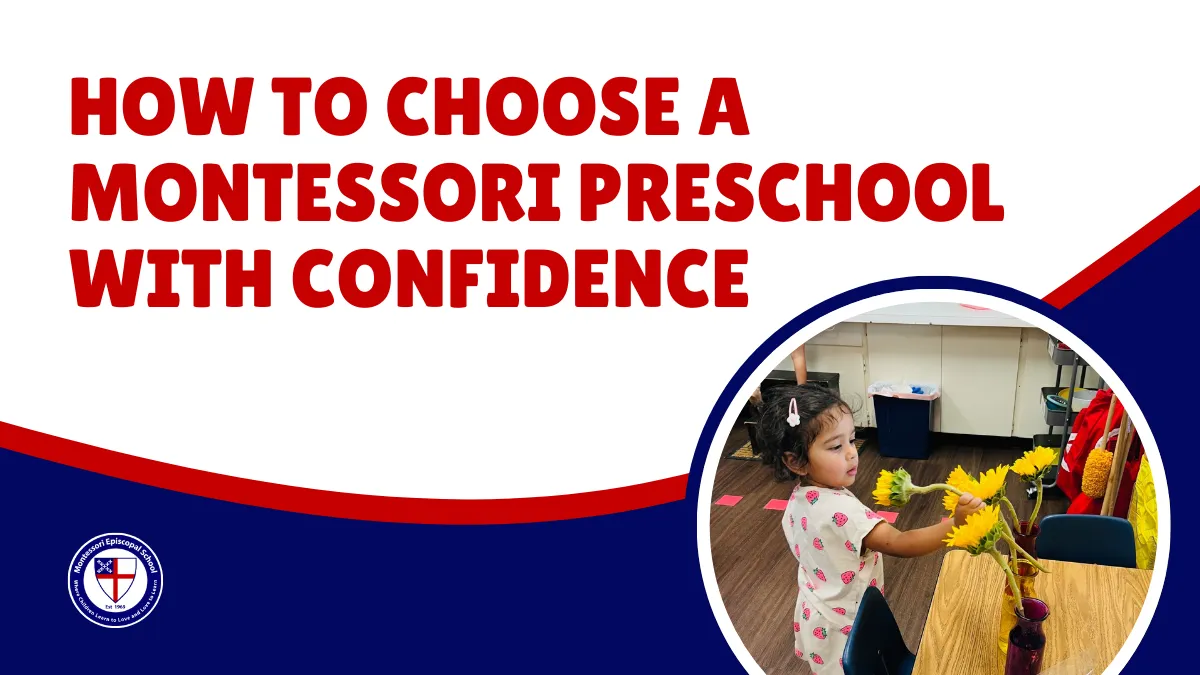
Selecting a Montessori preschool is an important step, especially when you want an environment that supports your child’s independence and love of learning. While many schools may use the Montessori name, not every program follows the method with the same level of consistency and quality. Knowing what to look for can help you feel more confident during the decision-making process and enrollment journey.
Signs Your Child May Thrive in a Montessori Setting
Montessori can be a strong match for children who enjoy hands-on learning, prefer calm routines, and show interest in doing things independently. It can also benefit children who need a structured space to build focus, patience, and responsibility over time.
What to Look for in Montessori Materials and Classroom Design
A Montessori classroom should feel purposeful and organized, with materials that support practical life, early math, language, and sensory development. Look for child-sized furniture, clearly defined learning areas, and materials arranged neatly so children can access them independently.
Understanding the Teacher’s Role and Classroom Guidance
In Montessori, teachers guide rather than lead from the front of the room. They observe, introduce lessons at the right time, and support each child’s progress through individualized learning. A strong program will balance freedom with clear expectations, helping children develop self-discipline and respect for the classroom community.
Questions to Ask During a School Tour
A tour is one of the best ways to understand how a classroom truly functions. Consider asking questions such as:
- How do teachers support different learning levels and developmental needs?
- What does a typical day look like for each age group?
- How does the school handle behavior guidance and emotional development?
- How are families updated on progress and milestones?
How School Values and Communication Support Families
A Montessori preschool should feel like a partnership between school and home. Clear family communication, consistent expectations, and a welcoming culture all play an important role. When families feel supported, children benefit from stronger routines, smoother transitions, and a more confident start to their early education.
Montessori Preschool Enrollment Considerations to Review Early
Montessori enrollment often feels different from a typical preschool sign-up process because the program is designed to support long-term growth and consistent routines. Planning can help families avoid last-minute stress and feel prepared for a smooth start. By reviewing key details early, you can better understand what your child needs and what the school expects during the enrollment period.
Age Requirements and Classroom Groupings
Montessori programs typically group children in multi-age classrooms, which supports peer learning and leadership development. Ask about the age range for each classroom, how transitions are handled as children grow, and what placement options are available based on your child’s birth date and readiness.
Schedule Options and Daily Routines
Before enrolling, confirm whether the school offers full-day, half-day, or extended care options. Montessori environments rely on consistent routines and uninterrupted work periods, so understanding the daily schedule can help you decide what works best for your family.
Helpful details to confirm include:
- Drop-off and pick-up windows
- Lunch and rest routines
- Outdoor play and movement time
- How transitions are supported throughout the day
Child Readiness Factors to Keep in Mind
Montessori classrooms encourage independence, but children do not need to have every skill mastered before they begin. It can be helpful to consider whether your child is ready to participate in a classroom community, follow simple routines, and begin practicing self-help skills such as:
- Washing hands and managing personal belongings
- Following basic classroom directions
- Communicating needs with adults
- Working independently for short periods
Parent Involvement and Home-School Partnership
Many Montessori schools encourage ongoing family involvement through conferences, classroom updates, or parent education opportunities. Ask what communication tools the school uses and how families stay informed about progress, classroom goals, and developmental milestones.
What to Expect During the Enrollment Process
Enrollment steps may include a tour, application, classroom observation, or developmental screening. Some schools also have waitlists or specific enrollment windows. Reviewing deadlines, required documents, and start-date expectations early can make the process feel clearer and more manageable for your family.
Key Differences Between Montessori and Traditional Preschool Teaching Styles
Montessori and traditional preschool programs both support early learning, but their teaching styles and classroom experiences can feel very different. Understanding how each approach introduces lessons, guides behavior, and supports daily routines can help families choose a setting that matches their child’s needs. The goal is not to find a “better” option, but to identify the environment where your child will feel confident, engaged, and supported.
Student-Led Learning Versus Teacher-Led Instruction
In Montessori, children are encouraged to choose meaningful work from a carefully prepared environment. Teachers guide learning through observation and individualized lessons, allowing children to build independence and focus. Traditional preschools typically rely on teacher-led instruction, in which the class moves through learning activities together according to a planned schedule and group objectives.
Lessons, Small Groups, and Individual Work
Montessori lessons are often introduced one-on-one or in small groups, and children repeat activities until they feel confident. This supports deeper mastery and helps children build persistence. Traditional classrooms may include some centers or small groups, but learning is usually built around whole-group instruction, with activities designed for the class to complete as a unit.
Montessori may emphasize:
- Repetition and mastery through hands-on materials
- Longer work periods with fewer interruptions
- Individual progress rather than group pacing
- Traditional preschool may emphasize:
- Group lessons and teacher-led discussions
- Shorter activities with frequent transitions
- Shared projects and class-wide learning goals
Structure, Flexibility, and Classroom Expectations
Both teaching styles include structure, but the structure looks different. Montessori classrooms use clear routines, calm pacing, and consistent expectations, while giving children more freedom within boundaries. Traditional preschools often use fixed schedules to guide the day, with activities such as circle time, crafts, storytime, and group play scheduled at set times.
When comparing programs, consider how your child responds to pacing, attention span, and classroom guidance. A strong learning environment should feel supportive, respectful, and developmentally appropriate, regardless of the model it follows.
Conclusion
Choosing between Montessori and traditional preschool is a meaningful decision, and the best choice is the one that supports your child’s growth in a way that feels natural and encouraging. By comparing classroom structure, teaching methods, social development, and daily expectations, families can make a decision based on more than labels alone. A high-quality preschool experience should help your child feel safe, capable, and excited to learn. With careful observation and thoughtful questions, you can find a program that aligns with your child’s personality and your family’s goals for the early years.
Ready to take the next step? Contact Montessori Episcopal School at (972) 895-9050 or use their contact page to schedule a tour and learn more about enrollment: https://montessoriepiscopal.com/contact/.