7 Parent Mistakes Choosing Montessori Preschool
Mistakes parents make when choosing Montessori preschool often come from not knowing what to look for beyond the name “Montessori.” While many schools may use Montessori-inspired language, the right preschool should offer a thoughtful balance of independence, structure, hands-on learning, and caring teacher guidance.
Parents want a place where their child feels safe, supported, and encouraged to grow academically, socially, and emotionally. Understanding common mistakes can clarify the decision process and make it less overwhelming. By knowing what to ask and observe during your search, you can choose a Montessori preschool that truly supports your child’s development and your family’s values.
1. What Parents Misunderstand About the Montessori Method
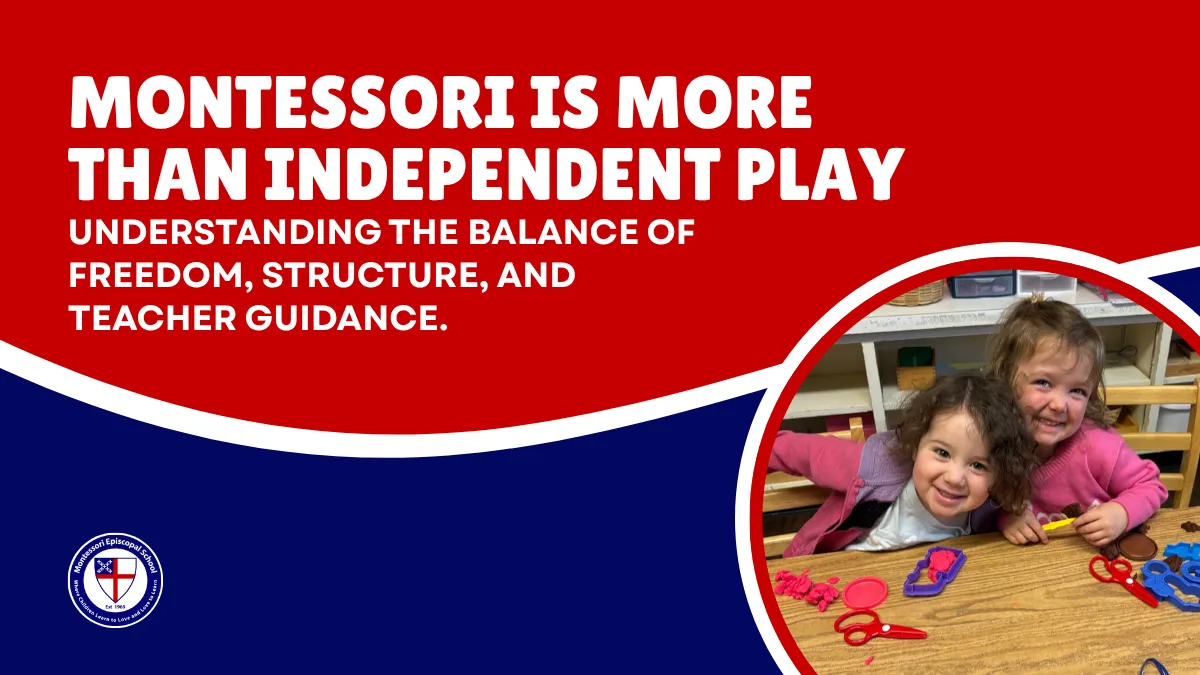
Many parents hear “Montessori” and immediately think it means children can do whatever they want. In reality, the Montessori Method is built on freedom within structure. Children are encouraged to make choices, but those choices happen within a carefully prepared classroom guided by trained teachers.
A few common misunderstandings include:
- Montessori Has No Rules: Montessori classrooms have clear expectations for respect, responsibility, and environmental care.
- Children Do Not Receive Guidance: Teachers observe closely, introduce lessons, and intentionally support each child’s progress.
- Academics Are Not Prioritized: Montessori learning includes early math, language, science, practical life skills, and problem-solving through hands-on materials.
- It Is Only for Independent Children: Montessori helps children build independence over time, even as they develop confidence.
Understanding these details helps parents recognize the depth, purpose, and balance behind an authentic Montessori education.
2. Choosing Between Montessori and Traditional Preschool
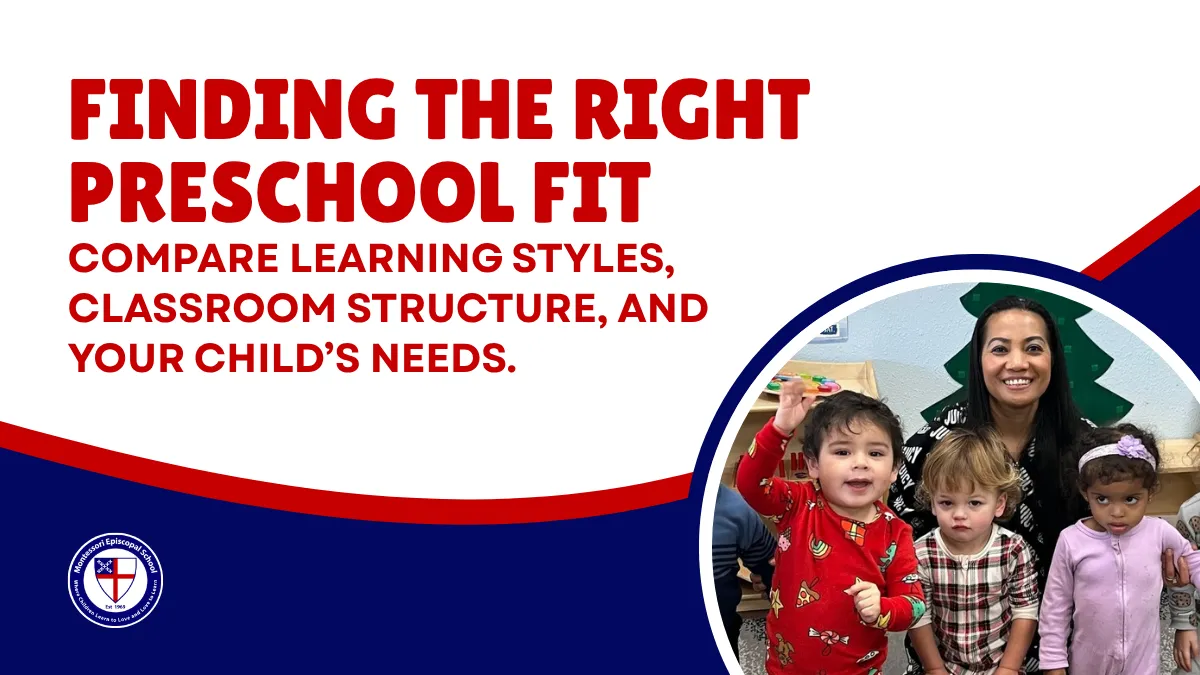
Choosing between Montessori and traditional preschool often comes down to understanding how each setting supports learning. Traditional preschool may follow a more teacher-led structure, with group lessons, scheduled activities, and a shared pace for the class. Montessori preschool is typically more child-centered, allowing children to explore prepared materials, build independence, and progress at their own pace with teacher guidance.
Parents can compare each option by looking at:
- Learning Style: Does your child benefit from hands-on discovery, repetition, and choice?
- Classroom Structure: Is the room calm, organized, and designed for independent exploration?
- Teacher Role: Are teachers intentionally guiding each child rather than just leading group instruction?
- Long-Term Goals: Does the program support confidence, responsibility, practical life skills, and academic readiness?
The best choice is not based solely on a label. It should reflect your child’s needs, your family’s values, and the quality of the school’s approach.
3. Assuming Every Montessori Preschool Follows the Same Approach
One of the biggest mistakes parents make is assuming that every school with “Montessori” in its name follows the same standards, philosophy, or classroom practices. While many programs may include Montessori-inspired activities, the quality and consistency of the approach can vary.
Parents should look beyond the label and ask how the school applies Montessori principles each day.
Key questions to consider include:
- How Are Lessons Introduced? Children should receive thoughtful guidance before working independently.
- Are Classrooms Prepared With Purpose? Materials should be organized, accessible, and designed to support hands-on learning.
- How Do Teachers Track Progress? A strong program observes each child’s development and adjusts support as needed.
- Does the School Support the Whole Child? Montessori education should encourage academic growth, independence, social development, and character.
Choosing carefully helps parents find a preschool that reflects the true heart of Montessori learning.
4. Not Asking About Teacher Training and Guidance
Teacher training plays an important role in how well a Montessori classroom supports children. Montessori teachers are not simply supervising activities. They are observing, guiding, presenting lessons, and helping each child build confidence through purposeful work.
Parents should ask how teachers are prepared to support different learning styles, social needs, and developmental stages. A strong teacher understands when to step in, when to step back, and how to encourage independence without leaving a child unsupported.
Important questions to ask include:
- What Training Do Teachers Have? Ask about Montessori training, early childhood experience, and ongoing professional development.
- How Are Lessons Presented? Children should receive clear, respectful instruction before practicing independently.
- How Is Progress Observed? Teachers should track growth in academic, social, emotional, and practical life skills.
The right guidance helps children feel secure, capable, and ready to learn.
5. Ignoring Practical Life Skills and Independence
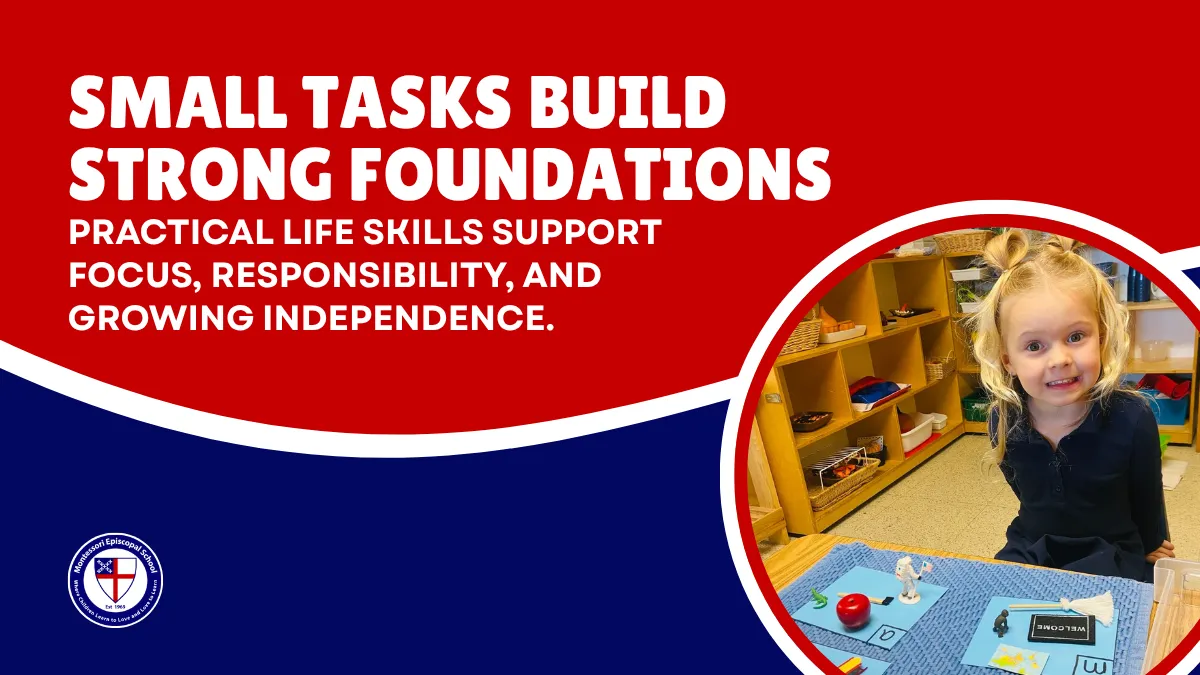
Practical life skills are a meaningful part of Montessori education, yet parents sometimes overlook them because they do not look like traditional academics. Activities such as pouring, cleaning, buttoning, organizing materials, and caring for the classroom help children build concentration, coordination, responsibility, and confidence.
These simple tasks support deeper development by helping children:
- Build Independence: Children learn to complete age-appropriate tasks with growing confidence.
- Strengthen Focus: Repeated practical activities help children develop patience and attention to detail.
- Develop Responsibility: Caring for materials and shared spaces teaches respect for the classroom community.
- Prepare for Academics: Fine motor skills, sequencing, and problem-solving support early writing, math, and language readiness.
A strong Montessori preschool values these skills because they help children become capable learners, thoughtful classmates, and confident individuals. Practical life work is not separate from education. It is one of its foundations.
6. Choosing Without Visiting the School in Person
A website can provide helpful information, but it cannot fully show what a school feels like in person. Visiting the preschool gives parents a clearer sense of the environment, the teachers, and the way children move through the classroom.
During a tour, parents should look for more than clean rooms and organized materials. Pay attention to the overall atmosphere.
Helpful things to observe include:
- Classroom Calm: Children should appear engaged, purposeful, and comfortable in the space.
- Teacher Interaction: Teachers should guide with patience, respect, and attentiveness.
- Child Independence: Look for children making choices, caring for materials, and completing tasks with confidence.
- Faith and Values: For families seeking a Christian Montessori preschool, ask how spiritual growth, chapel, and character development are included.
An in-person visit helps parents make a thoughtful decision based on what they see, hear, and feel within the school community.
7. Why Montessori Episcopal School Is a Meaningful Choice for Families
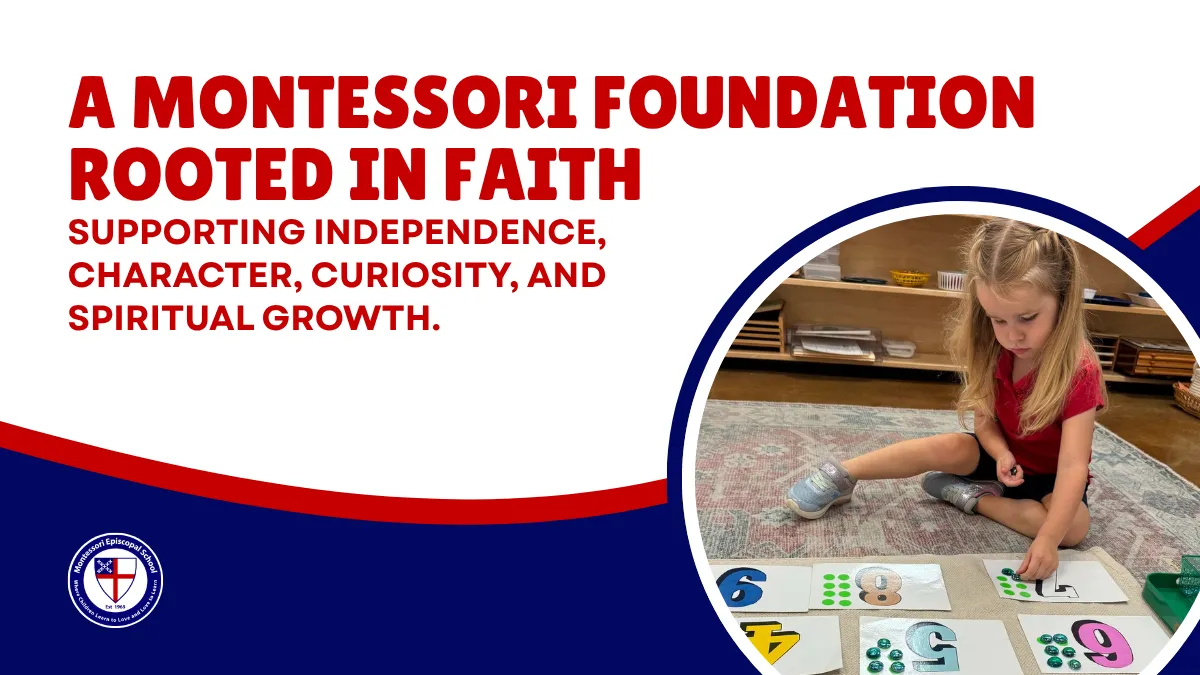
Montessori Episcopal School offers families a nurturing environment where children are encouraged to grow academically, socially, emotionally, and spiritually. Its approach combines the Montessori Method with Christian values, helping children develop independence while also learning kindness, respect, and service to others.
Families may find Montessori Episcopal School meaningful because it offers:
- A Whole-Child Approach: Children are supported in their intellectual, emotional, physical, and spiritual development.
- Hands-On Montessori Learning: Classrooms encourage curiosity, focus, problem-solving, and confidence through purposeful materials.
- Faith-Based Guidance: Weekly chapel, Biblical lessons, and Christian values help children build character and compassion.
- Enrichment Opportunities: Art, music, Spanish, library, and physical education add depth to each child’s learning experience.
- Kindergarten Preparation: Early language, math, science, and practical life work help children build a strong foundation.
For parents seeking a Montessori preschool rooted in care, faith, and purposeful learning, Montessori Episcopal School provides a thoughtful and supportive choice.
Conclusion
Choosing a Montessori preschool is an important decision, and understanding common mistakes can help parents move forward with greater clarity. The right school should offer more than a familiar name. It should provide a thoughtful learning environment, trained guidance, meaningful independence, and values that support the whole child. When parents take time to ask questions, visit classrooms, and observe how children are supported, they are better prepared to choose a preschool where their child can feel secure, capable, and ready to grow.
To learn more about Montessori Episcopal School or schedule a visit, call (972) 895-9050 or visit https://montessoriepiscopal.com/contact/.