Montessori Flower Mound

Discovering the Benefits of Montessori Flower Mound

Montessori Flower Mound provides a nurturing environment where children develop independence, creativity, and a lifelong love of learning. Rooted in the Montessori philosophy, this approach encourages hands-on exploration, critical thinking, and self-paced growth, allowing each child to flourish academically and personally.   

At Montessori Episcopal School, we combine this proven educational model with a strong sense of community, Christian values, and individualized instruction to support well-rounded development. By embracing the Montessori method, families in Flower Mound can offer their children an educational experience that nurtures curiosity and builds a strong foundation for future success.

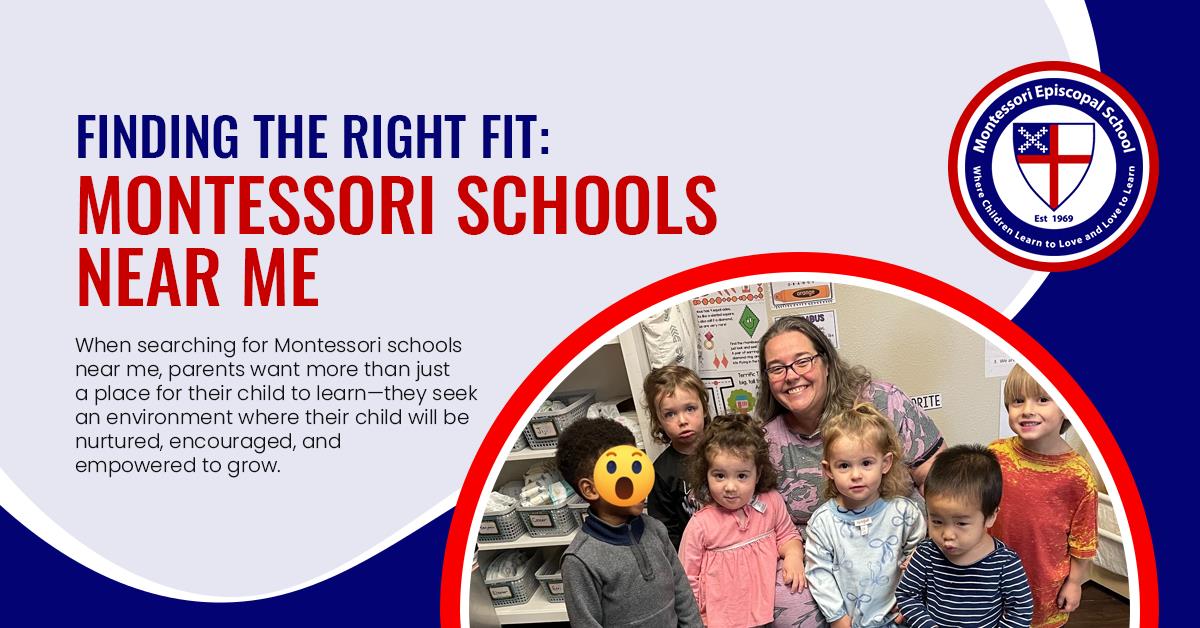
Finding the Right Fit: Montessori Schools Near Me
Montessori Schools Near Me

When searching for Montessori schools near me, parents want more than just a place for their child to learn—they seek an environment where their child will be nurtured, encouraged, and empowered to grow. Montessori education provides a child-centered approach that fosters independence, creativity, and a love for learning. However, finding the right Montessori school requires careful consideration of factors like curriculum, classroom structure, and community engagement.

A Calm and Supportive Learning Environment

One of the key reasons parents seek Montessori schools near me is the emphasis on a peaceful and structured learning space. Montessori classrooms are thoughtfully developed to create an environment that fosters focus, creativity, and emotional well-being. 

  • Low Student-to-Teacher Ratios: With fewer students per teacher, each child gets unique attention and guidance tailored to their unique learning needs. 
  • Peaceful Atmosphere: Montessori classrooms are intentionally quiet and orderly, allowing children to concentrate without distractions. 
  • Respect for Individual Learning Styles: Students work at their own pace, ensuring they feel supported rather than pressured. 

This calm and nurturing environment helps children develop a sense of security, confidence, and a love for learning—key factors in their overall growth and success.

Personalized Learning for Every Child

One of the hallmarks of a Montessori education is its emphasis on individualized learning. Unlike traditional schools that follow a rigid curriculum, Montessori schools tailor lessons to each child’s interests and developmental pace.   

  • Child-Led Exploration: Students choose activities that spark their curiosity, promoting deeper engagement and understanding.  
  • Flexible Learning Paths: Instead of one-size-fits-all instruction, Montessori educators assess each child’s strengths and encourage growth in areas where they need support.  
  • Encouraging Independence: Children develop confidence in their abilities as they take responsibility for their learning.  

At Montessori Episcopal School, this personalized approach ensures that every student gets the guidance needed to thrive academically and personally.

Hands-On Approach to Learning

Montessori schools emphasize experiential learning, allowing children to engage with materials meaningfully. This method encourages critical thinking, problem-solving, and creativity.   

  • Multi-Sensory Materials: Montessori classrooms have hands-on tools to enhance learning, from counting beads to language cards.  
  • Practical Life Activities: Everyday tasks like pouring, tying, and sorting teach fine motor skills, coordination, and self-sufficiency.  
  • Collaborative Learning: Children work together on projects, fostering communication and teamwork skills.  

This interactive approach helps students build a strong academic foundation while developing essential life skills that extend beyond the classroom.

Making the Right Choice for Your Family

Choosing the right Montessori school is an important decision that impacts your child’s early learning journey. When evaluating options, consider the following:   

  • Observe a Classroom: Visit the school to see how teachers interact with students and how the Montessori philosophy is applied in daily activities.  
  • Ask About Accreditation: Ensure the school follows authentic Montessori principles and is recognized by accredited organizations.  
  • Meet the Educators: Speak with teachers about their experience, training, and approach to student development.  
  • Understand the Curriculum: Learn how subjects like math, language, and science are integrated into hands-on learning experiences.  

By carefully selecting a Montessori school that aligns with your values and educational goals, you can provide your child with an enriching foundation for lifelong success.

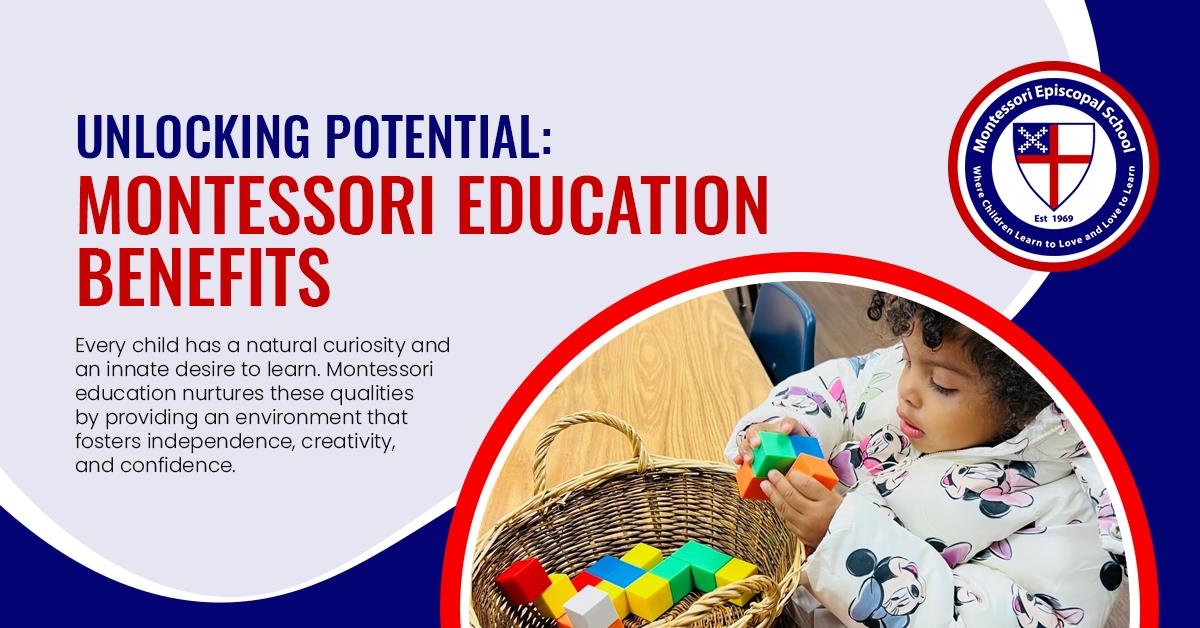
Unlocking Potential: Montessori Education Benefits
Montessori Education Benefits

Every child has a natural curiosity and an innate desire to learn. Montessori education nurtures these qualities by providing an environment that fosters independence, creativity, and confidence. Unlike traditional education, which often follows a rigid structure, Montessori classrooms encourage children to take ownership of their learning, allowing them to grow at their own pace. Parents exploring alternative education options often find that Montessori education benefits extend far beyond academics, shaping children into well-rounded, lifelong learners.

Independence and Confidence: Building Strong Foundations

One of the most valuable benefits of Montessori education is its ability to cultivate independence from an early age. In a Montessori classroom, children are encouraged to make choices, complete tasks independently, and take responsibility for their learning.   

  • Self-Guided Learning: Instead of following a set curriculum dictated by a teacher, children select activities based on their interests and abilities.  
  • Practical Life Skills: Everyday tasks such as pouring, buttoning, and sweeping help develop fine motor skills and self-sufficiency.  
  • Encouraging Responsibility: Students learn to manage their time, organize materials, and take ownership of their progress.  

By promoting independence, Montessori education helps children build confidence in their abilities, preparing them for future academic and personal success.

Encouraging Critical Thinking and Problem-Solving

Montessori classrooms are designed to foster curiosity and develop strong problem-solving skills. Instead of memorizing information, children engage in activities that challenge them to think critically and find creative solutions.   

  • Hands-On Learning: Montessori materials encourage children to explore concepts through real-world applications rather than rote memorization.  
  • Encouraging Curiosity: Students ask questions, investigate, and discover answers through guided exploration.  
  • Trial and Error Approach: Children can make and learn from mistakes, reinforcing resilience and adaptability.  

This focus on critical thinking prepares Montessori students to approach challenges with confidence and persistence, skills essential for lifelong success.

Multi-Age Classrooms: Learning Through Collaboration

Unlike traditional schools that separate students by strict age groups, Montessori classrooms feature multi-age groupings, allowing children to learn from one another in a collaborative setting.   

  • Peer Mentorship: Older students act as role models, guiding younger peers and reinforcing their understanding.  
  • Natural Social Development: Children interact respectfully and cooperatively, learning valuable communication skills.  
  • Self-Paced Progression: Students are not limited by grade levels and can advance based on their readiness.  

This structure fosters a strong sense of community, encouraging teamwork, leadership, and mutual respect.

Lifelong Love of Learning: A Lasting Impact

Montessori education is designed to instill a deep and lasting passion for learning. By allowing children to explore subjects in a way that excites and engages them, they develop a natural enthusiasm for acquiring knowledge.   

  • Intrinsic Motivation: Instead of being reliant on external rewards, Montessori students develop a love for learning simply for the joy of discovery.  
  • Whole-Child Development: Montessori education nurtures intellectual growth and emotional, social, and spiritual well-being.  
  • Smooth Transition to Higher Education: Many Montessori graduates excel in traditional academic settings due to their strong foundation in self-discipline and adaptability.  

By embracing a Montessori education, students can become confident, capable, and compassionate people ready to make a meaningful impact on the world.

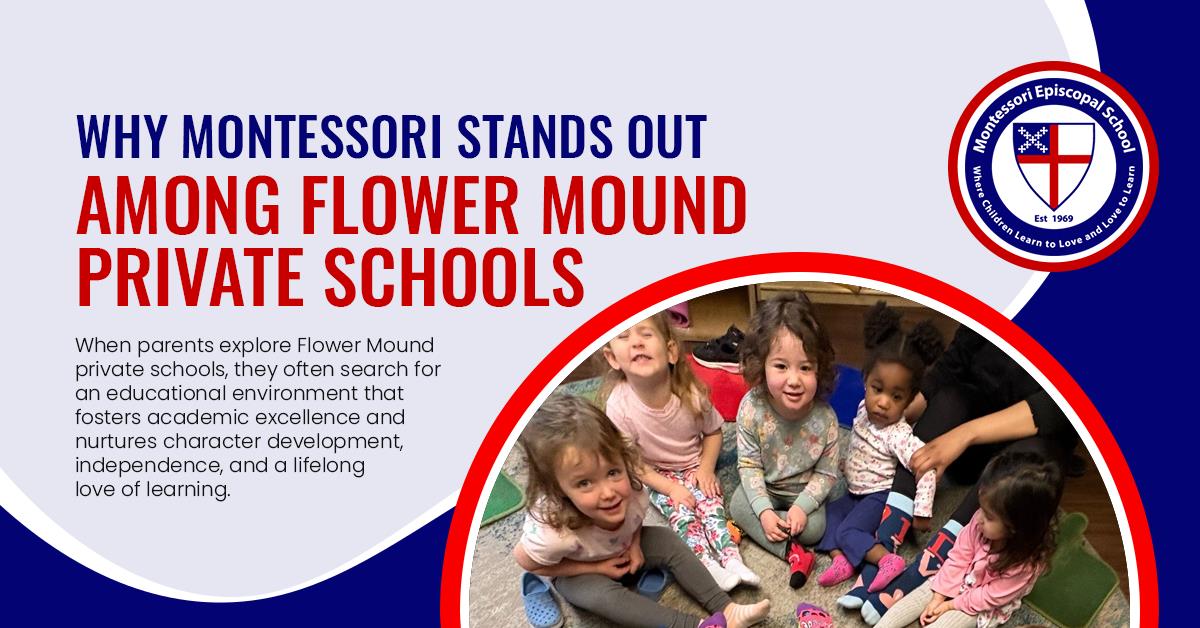
Why Montessori Stands Out Among Flower Mound Private Schools
Flower Mound Private Schools

When parents explore Flower Mound private schools, they often search for an educational environment that fosters academic excellence and nurtures character development, independence, and a lifelong love of learning. Montessori schools stand apart from traditional private school settings by offering a unique, student-centered approach that prioritizes hands-on learning, individualized instruction, and holistic development.

Holistic Development: Educating the Whole Child

Unlike conventional private schools emphasizing standardized testing and structured curriculum, Montessori education focuses on developing every aspect of a child’s growth—intellectual, emotional, social, and spiritual.   

  • Academic Excellence: Students engage in self-directed learning, exploring subjects at their own pace to ensure deep understanding and mastery.  
  • Emotional Intelligence: The Montessori philosophy encourages self-regulation, empathy, and conflict-resolution skills.  
  • Social Development: Multi-age classrooms allow students to develop leadership skills, cooperation, and respect for others.  

Montessori education prepares students for academic success and a fulfilling and well-balanced life by nurturing the whole child.

Faith-Based Learning: Christian Values in Education

While Montessori schools are often known for their child-centered approach, Montessori Episcopal School offers an added layer of faith-based learning, setting it apart from other Flower Mound private schools.   

  • Character Development: Christian values are woven into daily lessons, emphasizing kindness, integrity, and service to others.  
  • Community Engagement: Students participate in service projects that teach compassion and social responsibility.  
  • Spiritual Growth: Children develop a strong moral foundation that guides them in making thoughtful and ethical decisions.  

By integrating faith with Montessori principles, Montessori Episcopal School provides a learning experience that fosters both intellectual curiosity and strong moral character.

Academic Excellence Without Pressure

Many private schools focus on rigorous testing and competitive grading systems, which can create unnecessary pressure for young learners. Montessori schools take a different approach by encouraging intrinsic motivation and self-paced learning.   

  • No Standardized Testing Stress: Montessori students are assessed based on progress and mastery rather than test scores.  
  • Hands-On Learning: Children engage with interactive materials that make abstract concepts easier to grasp.  
  • Encouraging Curiosity: Students can explore subjects that interest them, fostering a genuine love for learning.  

This method allows children to build confidence in their abilities while maintaining a natural enthusiasm for education.

A Nurturing and Supportive Community

Montessori schools strongly emphasize creating a welcoming and supportive learning environment where students, teachers, and parents work together as partners in education.   

  • Small Class Sizes: Individualized attention recognizes each child’s needs and strengths.  
  • Parent Involvement: Families are encouraged to participate in school events, creating a strong sense of community.  
  • Dedicated Educators: Montessori teachers serve as guides, fostering independence while providing personalized support.  

Families seeking an alternative to traditional Flower Mound private schools will find that Montessori provides a balanced and enriching foundation for their child’s future.

Conclusion

Montessori education offers a transformative experience, shaping children into confident, independent, and curious learners. By choosing a Montessori school, families in Flower Mound invest in a philosophy that nurtures the whole child—academically, socially, and emotionally. With a hands-on, child-centered approach, Montessori fosters creativity, critical thinking, and a wish for learning that lasts a lifetime.   

Ready to give your child the gift of a Montessori education? Contact Montessori Episcopal School today to schedule a tour and see the difference for yourself! Call us at (972) 895-9050 or visit our contact page to learn more. We can’t wait to welcome your family!
Montessori Episcopal Blog

Montessori Episcopal Blog

EXPLORE THE MONTESSORI EPISCOPAL BLOG FOR PRACTICAL TIPS, EXAMPLES, AND IDEAS ON INCORPORATING MONTESSORI PRINCIPLES AT HOME. PLUS, STAY UPDATED WITH THE LATEST SCHOOL NEWS AND ANNOUNCEMENTS!

montessori episcopal blog

Early Childhood Education Insights

With the Montessori Episcopal Blog in Lewisville,TX


Welcome to the Montessori Episcopal Blog, where we champion the profound impact of education that honors and fosters each child’s holistic development. Delve into the MES Lewisville blog, our exclusive platform, as we explore the core, encounters, and distinctive strategies that blend early childhood education principles with our Episcopal ethos and values.

This blog platform reflects our commitment to fostering an environment where curiosity thrives and learning knows no bounds. Through expert articles, firsthand experiences, and practical advice, we aim to provide our community and beyond with a deeper understanding of our educational method as practiced at MES Lewisville. Join us as we explore the innovative practices that make our educational approach distinct, offering a beacon of inspiration for parents, educators, and all those passionate about early childhood education.

Montessori Or Traditional Preschool? How To Choose The Right Fit Before Enrollment

Montessori vs traditional preschool enrollment

Montessori vs traditional preschool enrollment is one of the most important decisions families make when preparing for early childhood education. Both approaches can support a child’s growth, but they differ in classroom structure, teaching style, and daily expectations. 

Montessori programs often emphasize independence, hands-on learning, and individualized progress, while traditional preschools may follow a more teacher-led routine with group-based instruction. Understanding these differences can help you choose the environment that best fits your child’s personality, learning needs, and readiness for school. With the correct information, enrollment can feel less overwhelming and more confident.

Is Montessori Better Than Traditional Preschool for Your Child?

Is Montessori Better Than Traditional Preschool

Choosing a preschool is a meaningful decision because the learning environment will shape how your child builds confidence, independence, and early academic skills. Montessori and traditional preschool programs both offer strong benefits, but they support development in different ways. The right choice depends on your child’s personality, learning style, and what your family values most in early education.

How Montessori Preschools Support Independence and Self-Confidence

Montessori classrooms encourage children to take ownership of their day through purposeful activities and hands-on materials. Children practice real-life skills, work at their own pace, and learn to complete tasks independently, building concentration and self-esteem along the way.

What Traditional Preschools Typically Offer

Traditional preschools often follow a teacher-led schedule with group instruction, planned activities, and consistent routines. This structure can be helpful for children who thrive with clear direction and enjoy learning through group participation and guided lessons.

Learning Style and Daily Classroom Structure

Both settings offer learning, but the daily flow can feel very different. As you compare programs, consider what best supports your child.

Montessori often includes:

  • Self-directed work time
  • Small-group learning and individualized lessons
  • Calm, organized classrooms with defined learning areas
  • Traditional preschool often includes:
  • Whole-group teaching and circle time
  • Structured transitions throughout the day
  • Teacher-led projects and group activities

Social Development and Peer Interaction

Social growth is supported in both approaches, but Montessori classrooms may include mixed-age groups that promote leadership and peer learning. Traditional classrooms usually group children by age and focus on building social skills through teacher-guided play, cooperative activities, and group routines.

Preparing for Kindergarten and Long-Term Success

Both models can prepare children for kindergarten when the program is high-quality and developmentally supportive. Montessori often strengthens independence, focus, and problem-solving, while traditional preschool may build comfort with group instruction and classroom expectations. The best fit is the one that helps your child feel secure, capable, and excited to learn each day.

How to Choose a Montessori Preschool With Confidence

How to Choose a Montessori Preschool

Selecting a Montessori preschool is an important step, especially when you want an environment that supports your child’s independence and love of learning. While many schools may use the Montessori name, not every program follows the method with the same level of consistency and quality. Knowing what to look for can help you feel more confident during the decision-making process and enrollment journey.

Signs Your Child May Thrive in a Montessori Setting

Montessori can be a strong match for children who enjoy hands-on learning, prefer calm routines, and show interest in doing things independently. It can also benefit children who need a structured space to build focus, patience, and responsibility over time.

What to Look for in Montessori Materials and Classroom Design

A Montessori classroom should feel purposeful and organized, with materials that support practical life, early math, language, and sensory development. Look for child-sized furniture, clearly defined learning areas, and materials arranged neatly so children can access them independently.

Understanding the Teacher’s Role and Classroom Guidance

In Montessori, teachers guide rather than lead from the front of the room. They observe, introduce lessons at the right time, and support each child’s progress through individualized learning. A strong program will balance freedom with clear expectations, helping children develop self-discipline and respect for the classroom community.

Questions to Ask During a School Tour

A tour is one of the best ways to understand how a classroom truly functions. Consider asking questions such as:

  • How do teachers support different learning levels and developmental needs?
  • What does a typical day look like for each age group?
  • How does the school handle behavior guidance and emotional development?
  • How are families updated on progress and milestones?

How School Values and Communication Support Families

A Montessori preschool should feel like a partnership between school and home. Clear family communication, consistent expectations, and a welcoming culture all play an important role. When families feel supported, children benefit from stronger routines, smoother transitions, and a more confident start to their early education.

Montessori Preschool Enrollment Considerations to Review Early

Montessori enrollment often feels different from a typical preschool sign-up process because the program is designed to support long-term growth and consistent routines. Planning can help families avoid last-minute stress and feel prepared for a smooth start. By reviewing key details early, you can better understand what your child needs and what the school expects during the enrollment period.

Age Requirements and Classroom Groupings

Montessori programs typically group children in multi-age classrooms, which supports peer learning and leadership development. Ask about the age range for each classroom, how transitions are handled as children grow, and what placement options are available based on your child’s birth date and readiness.

Schedule Options and Daily Routines

Before enrolling, confirm whether the school offers full-day, half-day, or extended care options. Montessori environments rely on consistent routines and uninterrupted work periods, so understanding the daily schedule can help you decide what works best for your family.

Helpful details to confirm include:

  • Drop-off and pick-up windows
  • Lunch and rest routines
  • Outdoor play and movement time
  • How transitions are supported throughout the day

Child Readiness Factors to Keep in Mind

Montessori classrooms encourage independence, but children do not need to have every skill mastered before they begin. It can be helpful to consider whether your child is ready to participate in a classroom community, follow simple routines, and begin practicing self-help skills such as:

  • Washing hands and managing personal belongings
  • Following basic classroom directions
  • Communicating needs with adults
  • Working independently for short periods

Parent Involvement and Home-School Partnership

Many Montessori schools encourage ongoing family involvement through conferences, classroom updates, or parent education opportunities. Ask what communication tools the school uses and how families stay informed about progress, classroom goals, and developmental milestones.

What to Expect During the Enrollment Process

Enrollment steps may include a tour, application, classroom observation, or developmental screening. Some schools also have waitlists or specific enrollment windows. Reviewing deadlines, required documents, and start-date expectations early can make the process feel clearer and more manageable for your family.

Key Differences Between Montessori and Traditional Preschool Teaching Styles

Montessori and traditional preschool programs both support early learning, but their teaching styles and classroom experiences can feel very different. Understanding how each approach introduces lessons, guides behavior, and supports daily routines can help families choose a setting that matches their child’s needs. The goal is not to find a “better” option, but to identify the environment where your child will feel confident, engaged, and supported.

Student-Led Learning Versus Teacher-Led Instruction

In Montessori, children are encouraged to choose meaningful work from a carefully prepared environment. Teachers guide learning through observation and individualized lessons, allowing children to build independence and focus. Traditional preschools typically rely on teacher-led instruction, in which the class moves through learning activities together according to a planned schedule and group objectives.

Lessons, Small Groups, and Individual Work

Montessori lessons are often introduced one-on-one or in small groups, and children repeat activities until they feel confident. This supports deeper mastery and helps children build persistence. Traditional classrooms may include some centers or small groups, but learning is usually built around whole-group instruction, with activities designed for the class to complete as a unit.

Montessori may emphasize:

  • Repetition and mastery through hands-on materials
  • Longer work periods with fewer interruptions
  • Individual progress rather than group pacing
  • Traditional preschool may emphasize:
  • Group lessons and teacher-led discussions
  • Shorter activities with frequent transitions
  • Shared projects and class-wide learning goals

Structure, Flexibility, and Classroom Expectations

Both teaching styles include structure, but the structure looks different. Montessori classrooms use clear routines, calm pacing, and consistent expectations, while giving children more freedom within boundaries. Traditional preschools often use fixed schedules to guide the day, with activities such as circle time, crafts, storytime, and group play scheduled at set times.

When comparing programs, consider how your child responds to pacing, attention span, and classroom guidance. A strong learning environment should feel supportive, respectful, and developmentally appropriate, regardless of the model it follows.

Conclusion

Choosing between Montessori and traditional preschool is a meaningful decision, and the best choice is the one that supports your child’s growth in a way that feels natural and encouraging. By comparing classroom structure, teaching methods, social development, and daily expectations, families can make a decision based on more than labels alone. A high-quality preschool experience should help your child feel safe, capable, and excited to learn. With careful observation and thoughtful questions, you can find a program that aligns with your child’s personality and your family’s goals for the early years.

Ready to take the next step? Contact Montessori Episcopal School at (972) 895-9050 or use their contact page to schedule a tour and learn more about enrollment: https://montessoriepiscopal.com/contact/.

Why Families Are Choosing Montessori Episcopal School For Early Enrollment This Season

montessori school enrollment near me

For many families searching for Montessori school enrollment near me, Montessori Episcopal School stands out as a trusted choice for a strong early start. As parents look ahead to the upcoming school year, they seek a safe, structured, and nurturing setting where children can develop academically, socially, and spiritually. 

Montessori Episcopal School provides a balanced approach that blends authentic Montessori methods with Christian values, individualized attention, and a carefully prepared learning environment. Early enrollment allows families to secure a place in this well-regarded program and ensures children have a smooth transition into a consistent, high-quality educational setting.

How To Enroll In Montessori School At Montessori Episcopal School
Blog Image:

montessori openings near me Families learning to enroll in Montessori school at Montessori Episcopal School follow a clear, organized process that respects both the child and the family’s time. The school encourages early planning so that each classroom can welcome a balanced group of students and maintain small, focused class sizes.

Understanding The Enrollment Timeline

Enrollment for the upcoming school year typically opens well in advance to allow careful classroom planning. Because each Montessori environment serves a limited number of children, earlier applications receive priority consideration. Families are encouraged to:

  • Review program options for toddlers and preparatory students
  • Identify preferred start dates and schedule needs
  • Submit applications before spaces begin to fill

Limited financial aid is available, and all related applications must be submitted by the school’s published deadline, which is usually in the spring. Once applications and fees are received, the school confirms placement, subject to space availability, and provides an enrollment confirmation.

Required Forms And Documentation

To finalize enrollment, Montessori Episcopal School must have complete and accurate records on file. Families should be prepared to provide:

  • Enrollment agreement for the school year, signed by all responsible parties
  • Emergency contact information and authorized pick-up list
  • Signed acknowledgment of the School Policy Handbook
  • Current immunization records and student health forms
  • Vision and hearing screening results for children aged four and older
  • Any relevant information about medical needs, allergies, or individualized support

These documents support a safe and consistent environment and help teachers prepare for each child’s successful transition into the classroom.

Scheduling A Campus Visit Or Tour

A campus visit is often the first step in the enrollment process. Families may schedule a tour through the school website or by calling the office. During the visit, parents observe Montessori classrooms, learn about daily routines, and see how Christian values are woven into school life. After the tour, families complete the application, submit all required forms and fees, and receive confirmation once a space has been secured.

Preschool Registration In Lewisville, TX, For Montessori Episcopal School
Blog Image: 

preschool registration in lewisville tx

Preschool registration at Montessori Episcopal School in Lewisville, TX, follows a structured, thoughtful process that supports both families and children. As a long-established Christian Montessori school in Denton County, Montessori Episcopal School welcomes toddlers through kindergarten-age children into carefully prepared environments that nurture independence, faith, and a love of learning.

Serving Families In Lewisville And Surrounding Communities

Montessori Episcopal School serves families in Lewisville and nearby communities, including Flower Mound and Highland Village. The campus offers:

  • A Christian Montessori environment for children nine months through six years of age
  • Small class sizes that let teachers provide individualized support
  • Access to enrichment opportunities such as art, music, Spanish, physical education, and weekly chapel

When families register, they are not only securing a preschool classroom, but also joining a school community that has supported local children for more than fifty years.

Age Requirements And Program Placement

Registration begins with determining the appropriate program for each child. Montessori Episcopal School offers:

  • Toddler I for approximately 9 to 24 months
  • Toddler II for approximately 2 to 3 years
  • Kindergarten is Preparatory for approximately 3 to 6 years
  • Before and After School Care for enrolled students within the same age range

During the registration process, the school reviews the child’s age, readiness, and schedule to recommend the most suitable placement. The goal is to ensure that each classroom group is developmentally aligned so that children can progress at an appropriate pace within the Montessori framework.

Tuition, Fees, And Available Payment Options

As part of preschool registration, families receive clear information about tuition and fees for the selected program and schedule. Montessori Episcopal School provides:

  • Published tuition rates by program and attendance schedule
  • Information about registration and supply fees
  • Details on available payment schedules across the year

Limited financial assistance may be available to qualifying families, with applications typically reviewed before the upcoming school year. By completing registration early, families have the best opportunity to select preferred schedules while also planning responsibly for their educational investment.

Planning For Montessori Openings Near Me

Families searching for Montessori openings near me often discover that high-quality programs reach capacity well before the new school year begins. At Montessori Episcopal School, planning allows parents to secure a space, choose a suitable schedule, and prepare their child for a confident start in a stable, nurturing environment.

Why Early Enrollment Matters

Early enrollment provides several practical and educational advantages. When families plan, they can:

  • Secure placement in a preferred program level and schedule
  • Allow time for the child to visit the classroom and become familiar with the setting
  • Coordinate work, childcare, and transportation arrangements
  • Complete required documentation without unnecessary stress

In a Montessori environment, consistency is essential. Confirming enrollment early supports smooth transitions, thoughtful classroom planning, and a more gradual introduction to school routines.

Typical Class Sizes And Waitlist Considerations

Montessori Episcopal School maintains small class sizes to preserve the integrity of the Montessori approach. Each classroom is designed to support a specific age span, with an emphasis on:

  • Individualized lessons
  • Mixed-age peer learning
  • Purposeful independence within a calm environment

Because spaces are limited, some program levels may reach capacity during popular enrollment periods. In these cases, families may be offered placement on a waitlist. Submitting applications early in the year and responding promptly to enrollment communications helps reduce the likelihood of delays or missed placement opportunities.

How Families Can Reserve A Spot

Families interested in future Montessori openings at Montessori Episcopal School can take several steps to prepare:

  • Review program descriptions, tuition information, and school policies on the website.
  • Schedule a campus tour to observe classrooms and meet staff.
  • Complete the online application and submit all required forms and fees.
  • Monitor email and phone communication from the school for placement updates.

Once a space has been offered and accepted, families receive orientation details and information about the first day of school. With careful planning, children can begin their Montessori experience at Montessori Episcopal School in a setting that is organized, welcoming, and designed for long-term growth.

The Benefits Of A Montessori And Christian Educational Environment

At Montessori Episcopal School, the educational experience is shaped by both authentic Montessori practice and a Christian worldview. This combined approach supports each child’s intellectual growth, social development, and spiritual formation in a cohesive, structured environment. Children are encouraged to think independently, act responsibly, and understand that they are part of a community grounded in shared values and respect.

Whole Child Development In A Prepared Classroom

In the Montessori classroom, every material and routine is selected with purpose. Children work at low shelves, child-sized tables, and defined learning areas that invite careful movement and focused attention. Through this prepared environment, students develop:

  • Cognitive skills, by engaging in hands-on materials for math, language, sensorial, and practical life activities
  • Social skills, by learning to collaborate, take turns, and solve conflicts respectfully
  • Emotional skills, by practicing independence, self-regulation, and responsibility for their choices

Teachers observe closely, guide individual lessons, and support each child’s natural curiosity. The mixed age structure allows younger children to learn from older peers and older students to build leadership skills. This balanced framework helps children grow in confidence, self-discipline, and a sustained love for learning.

Integrating Faith, Character, And Daily Learning

The Christian identity of Montessori Episcopal School contributes an additional layer of formation that extends beyond academics. Faith is integrated through daily routines, chapel services, and a consistent emphasis on Christian virtues such as kindness, honesty, and service to others. Children experience:

  • Age-appropriate prayer and worship that reinforces a sense of gratitude and reverence
  • Bible stories and lessons that introduce core Christian teachings
  • Regular opportunities to practice compassion and respect in real interactions

Character education is not treated as a separate subject, but as part of each school day. Expectations around courtesy, care for materials, and consideration for classmates are grounded in the understanding that every person is created and valued by God. As a result, students encounter a learning environment in which academic rigor, spiritual life, and moral development work together to support the whole child.

Conclusion

Thoughtful early enrollment at Montessori Episcopal School allows families to secure a place in a setting that is both academically strong and spiritually grounded. By planning, understanding the registration process, and selecting the appropriate program, parents provide their children with an environment that supports independence, curiosity, and character formation. Small class sizes, individualized instruction, and a Christian Montessori framework work together to nurture the whole child and to build a strong foundation for future learning.

To learn more or begin the enrollment process, please get in touch with the school at (972) 895-9050 or submit an inquiry at https://montessoriepiscopal.com/contact/.

montessori kindergarten readiness checklist

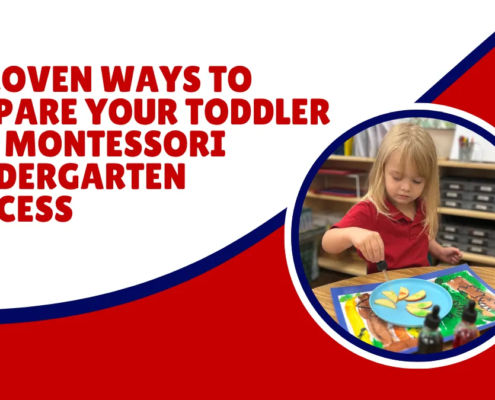
5 Proven Ways To Prepare Your Toddler For Montessori Kindergarten Success

Montessori kindergarten readiness checklist items focus on independence, concentration, and social-emotional skills that help toddlers thrive in a child-centered environment. Preparing early means nurturing practical life abilities such as dressing, toileting, and caring for personal belongings, along with respectful communication, grace, and courtesy. Encourage sustained attention through calm routines, limited distractions, and hands-on tasks that […]

christian montessori godly play activities

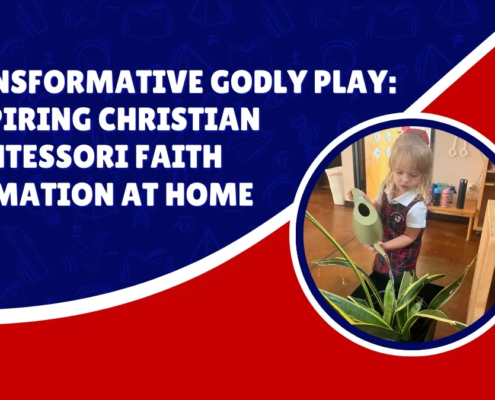
Transformative Godly Play: Inspiring Christian Montessori Faith Formation At Home

Christian Montessori Godly Play activities create a gentle, structured path for faith formation at home. Rooted in Montessori principles, Godly Play invites children to encounter Scripture through tactile materials, purposeful movement, and contemplative silence. A prepared environment—small mat or prayer table, simple figures, and a designated quiet space—supports concentration and reverence. Storytelling with precise, liturgical […]

benefits of montessori education

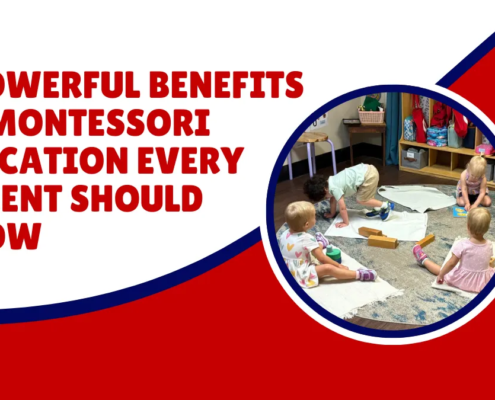
7 Powerful Benefits of Montessori Education Every Parent Should Know

The benefits of Montessori education extend beyond early academics, shaping confident, curious learners who thrive in school and life. Grounded in a prepared environment and guided independence, children progress at an appropriate pace while building concentration, coordination, and problem-solving skills. Purposeful materials and multi-age classrooms encourage intrinsic motivation, collaboration, and respectful leadership. Daily routines strengthen […]

christian montessori school lewisville

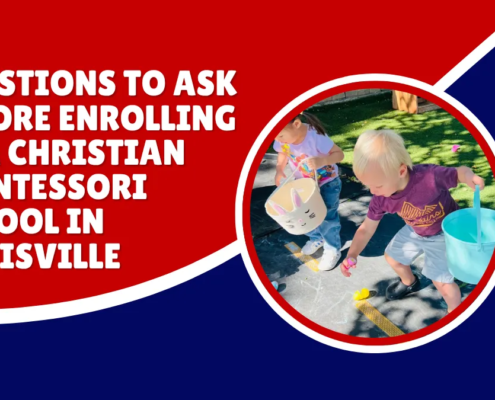
Questions to Ask Before Enrolling in a Christian Montessori School in Lewisville

Choosing a Christian Montessori school in Lewisville is important for families seeking academic excellence and faith-based values for their children. Parents often wish to ensure that the school they select nurtures intellectual growth, spiritual development, independence, and a genuine love of learning. Before enrolling, it’s essential to explore key questions that clarify the school’s educational […]

5 powerful benefits of Montessori preschool with extended hours

5 Powerful Benefits of Montessori Preschool With Extended Hours

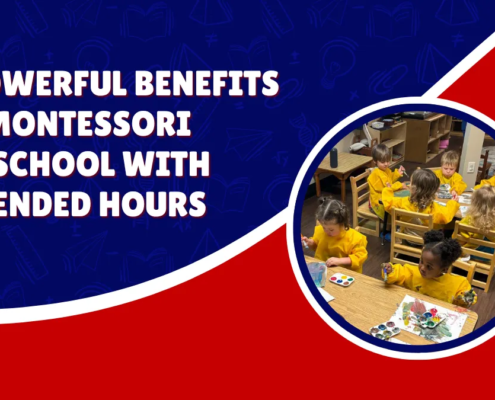
Montessori preschool extended hours benefits are increasingly recognized by families seeking structured, child-centered education with added flexibility. At institutions grounded in the Montessori philosophy, extended care hours are not simply a convenience but an intentional extension of the learning environment. These programs provide consistency in routine, offer enriched learning opportunities, and support a child’s development […]

Reasons to Choose a Christian Montessori School

5 Powerful Reasons to Choose a Christian Montessori School in Denton County

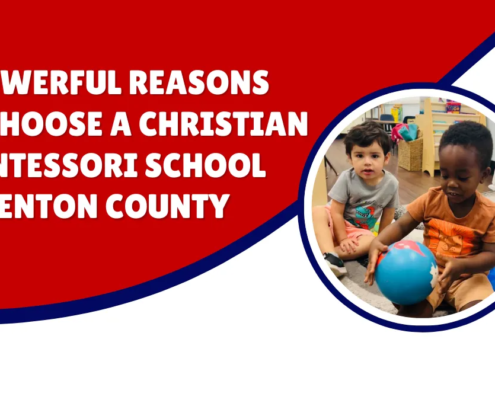
Choosing the right early education environment is a critical decision for any family. One of the most compelling options for parents seeking a values-based, child-centered approach is a Christian Montessori program. There are several reasons to choose Christian Montessori school models, especially in communities like Denton County, where spiritual formation and academic growth go hand […]

Montessori Certified Schools

7 Powerful Benefits of Montessori Certified Schools for Your Child’s Growth

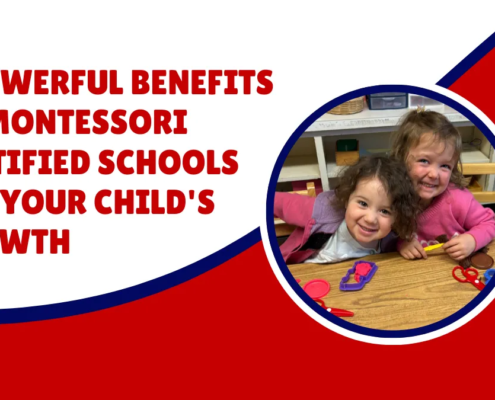
Montessori certified schools provide a thoughtfully structured environment that supports each child’s natural development. Rooted in the basis of Dr. Maria Montessori, these institutions emphasize hands-on learning, independence, and respect for each student’s unique pace and potential.   Unlike traditional educational settings, Montessori-certified schools are guided by trained professionals who understand how to foster intellectual, emotional, […]

Montessori Tuition

Affordable Montessori Tuition: Understanding Costs and Benefits

Montessori tuition is often a topic of interest for parents seeking a high-quality, child-centered education. At Montessori Episcopal School, we understand that investing in your child’s early years is one of the most important decisions you can make. A Montessori education nurtures independence, curiosity, and a love of learning—laying the foundation for lifelong success.   While […]

Montessori Flower Mound

Discovering the Benefits of Montessori Flower Mound

Montessori Flower Mound provides a nurturing environment where children develop independence, creativity, and a lifelong love of learning. Rooted in the Montessori philosophy, this approach encourages hands-on exploration, critical thinking, and self-paced growth, allowing each child to flourish academically and personally.    At Montessori Episcopal School, we combine this proven educational model with a strong sense […]

Montessori Elementary Near Me

Guiding Growth: Discovering Montessori Elementary Near Me in Lewisville, TX

When searching for a Montessori elementary near me, Lewisville, TX, parents are often drawn to schools that foster a love for learning, independence, and community values. At Montessori Episcopal School, education is a journey of discovery, where children are guided to grow academically, socially, and spiritually in a nurturing environment. With over 50 years of […]

Request a Tour


Come visit Montessori Episcopal and discover the difference yourself! Call today or click to schedule.


972-221-3533


Facebook

Montessori at Home


Instantly download our Practical Life Checklist to discover how to incorporate Montessori skills at home.


20 Things Your Child CAN Do On Their Own


ABOUT US

Montessori Episcopal School is the only Christian Montessori school in Denton county.

We have been serving Lewisville, Flower Mound and Highland Village toddlers through kindergartners for the past 50+ years.

OUR PROGRAMS

Montessori Episcopal School turns preschoolers into independent creative thinkers. Our programs have:

  • Individualized instruction on each child
  • Weekly Library, Art, PE, Music, and Spanish
  • Biblical training through weekly chapel

OUR PROGRAMS

  • A focus on whole-child learning, including physical, education and spiritual development
  • A natural, maker-space playground and garden
  • Passionate, long-tenured teachers
© Copyright - Montessori Episcopal School - All Rights Reserved.