What Parents Should Know About Montessori Toddler Programs In Lewisville Before Enrolling
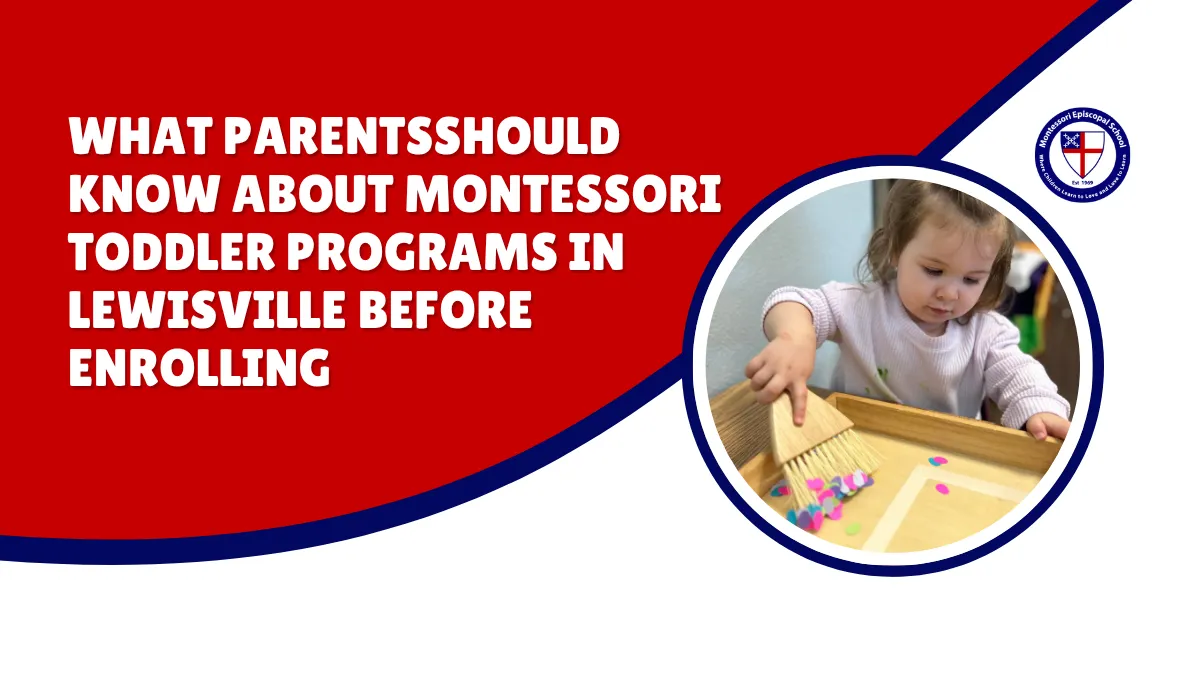
A Montessori toddler program in Lewisville, TX, can offer far more than basic childcare during the early years. For many families, it provides a thoughtful foundation where independence, confidence, and early learning begin to take shape in a calm, supportive environment.
Before enrolling, parents should understand what makes the Montessori approach distinct, especially during the toddler stage, when children are developing language, movement, social skills, and self-help abilities so quickly. From classroom structure to teacher guidance and daily routines, knowing what to look for can help families choose a program that supports both their child’s development and their long-term educational goals.
What To Expect From A Toddler Montessori School In Lewisville
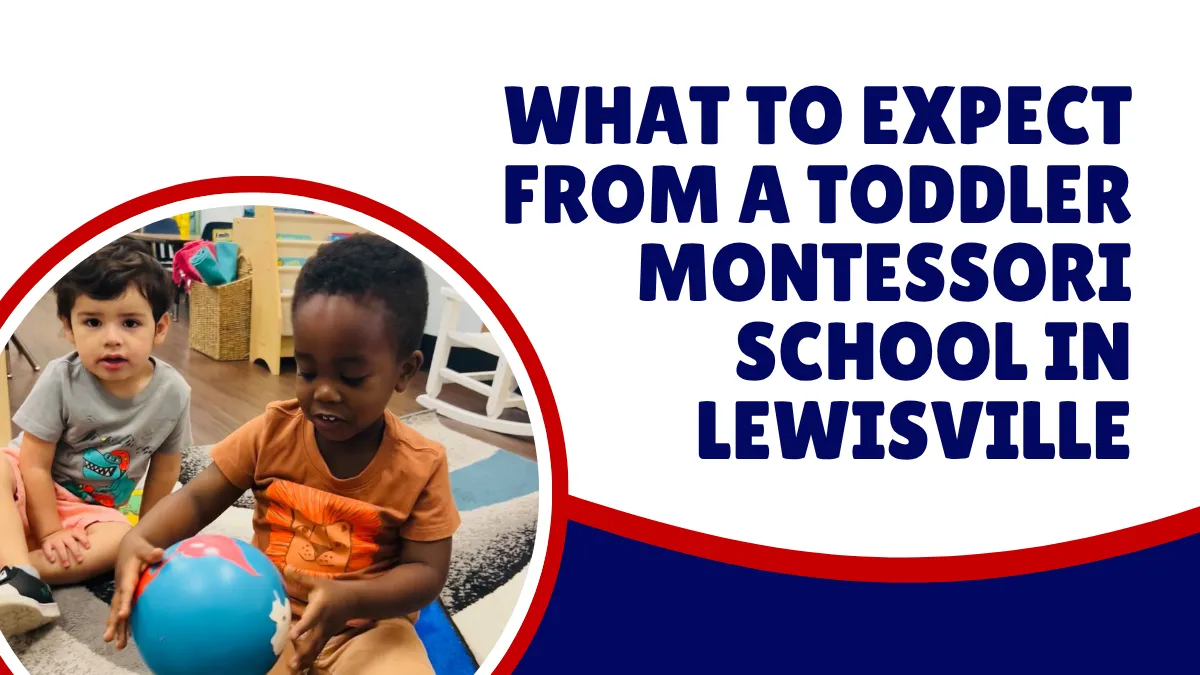
Parents exploring a Montessori program for their toddler often want to know what daily life in the classroom will actually look like. In Lewisville, a Montessori toddler program should offer more than supervision. It should provide a carefully prepared environment where young children are supported in building independence, confidence, and early learning skills through purposeful routines and respectful guidance.
A Calm, Child-Centered Environment
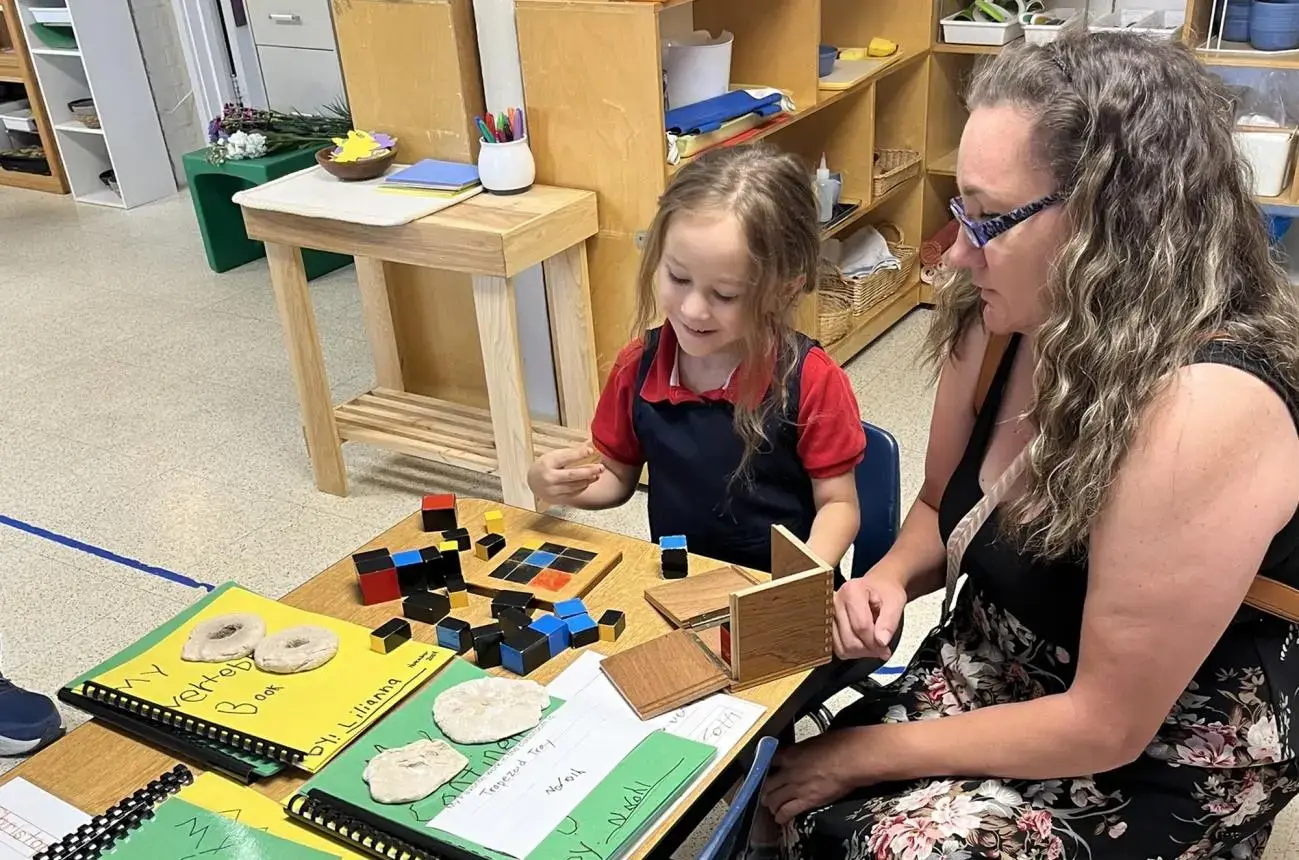
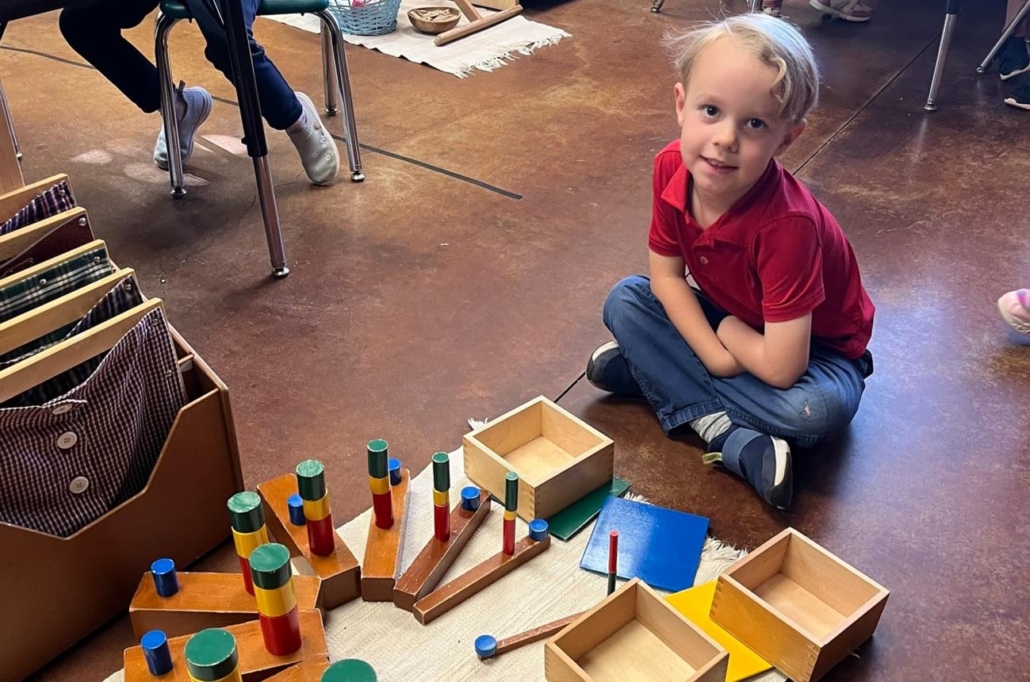
One of the first things parents may notice is the peaceful classroom setting. Montessori spaces are intentionally organized with child-sized furniture, open movement areas, and accessible materials placed at a toddler’s level. This design encourages children to explore safely and begin making simple choices on their own. A calm environment also helps reduce overstimulation and supports concentration during this important stage of development.
Teachers Who Guide Rather Than Direct
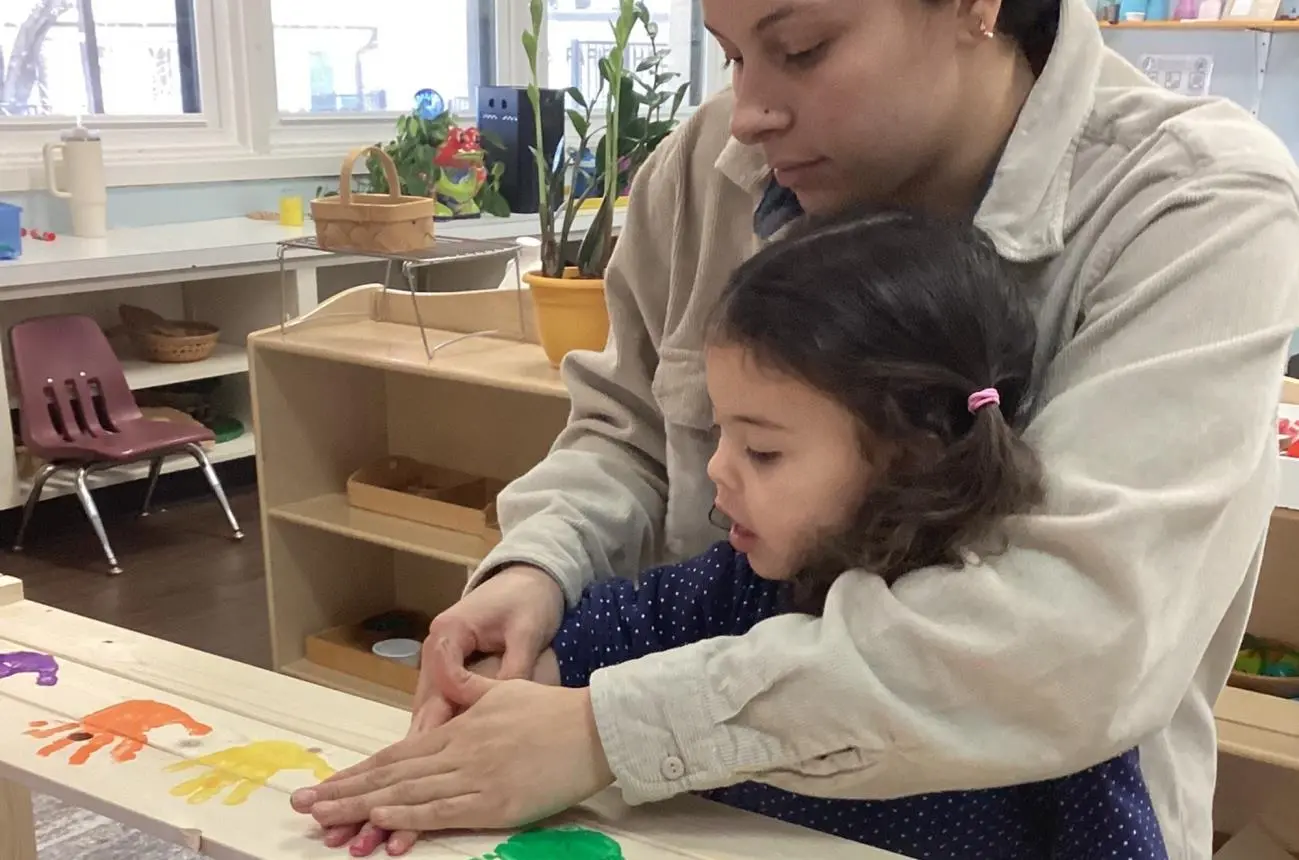
In a Montessori setting, teachers are not simply leading the entire day from the front of the room. Instead, they observe, model, and guide. This allows toddlers to learn through hands-on discovery while still receiving consistent support. Parents can expect teachers to encourage respectful behavior, gentle redirection, and age-appropriate independence rather than relying on constant correction or passive entertainment.
Daily Routines That Build Independence
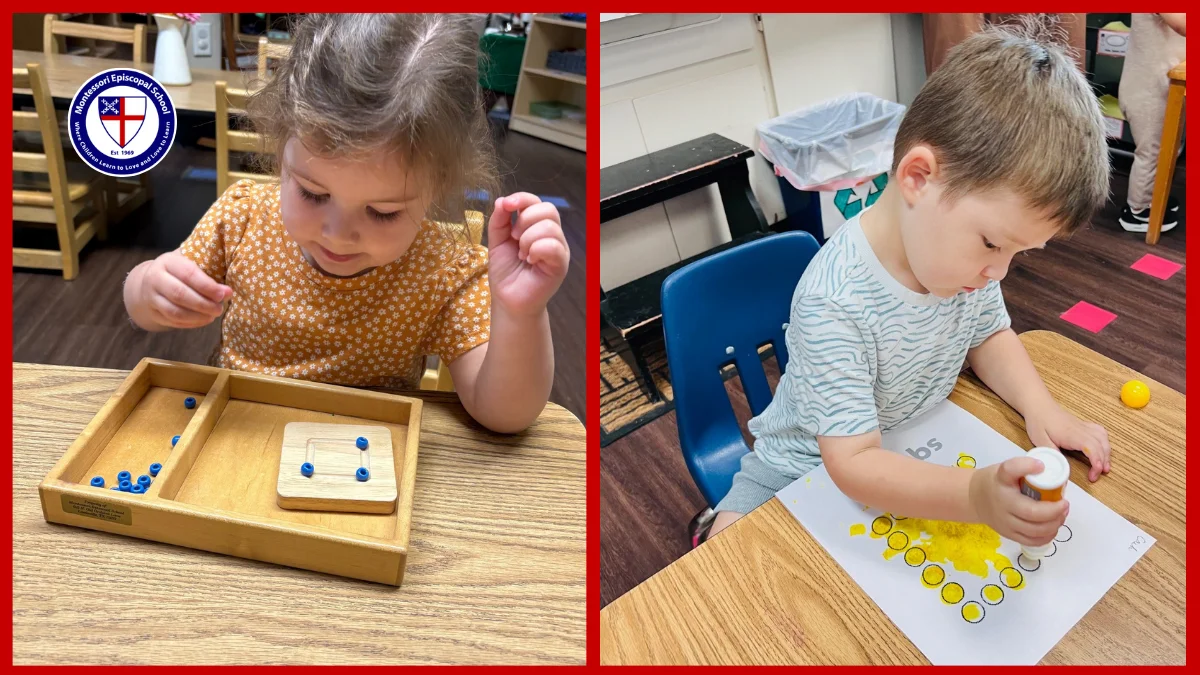
A key part of the toddler Montessori experience is practical life learning. Everyday routines are treated as valuable learning opportunities that help children grow more capable over time. These may include:
- putting materials back in place
- washing hands independently
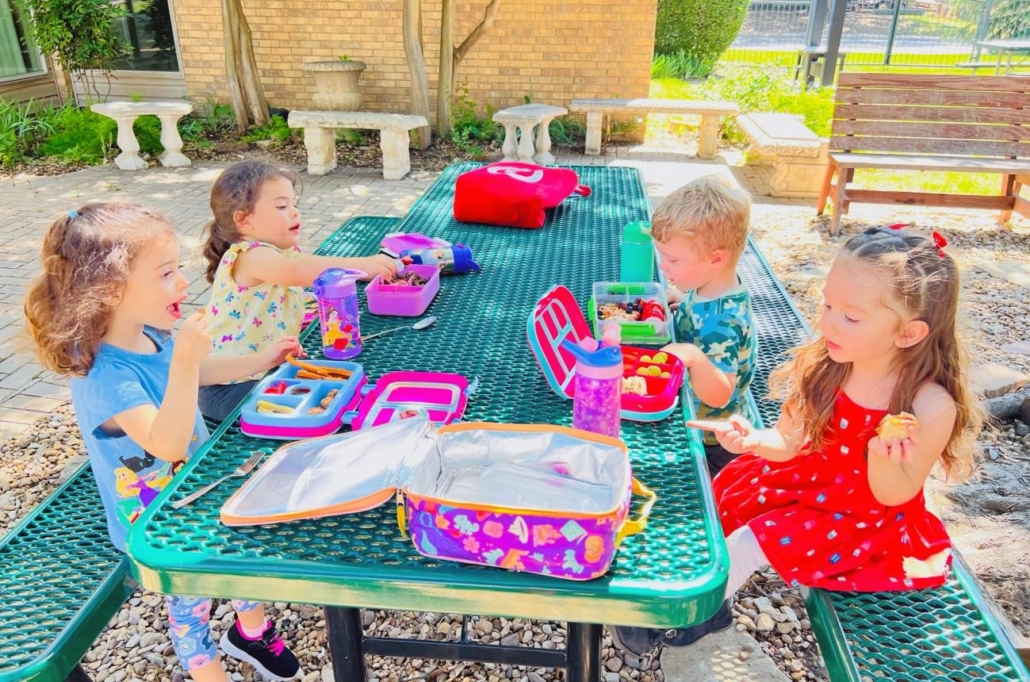
- helping with snack routines
- practicing cleanup after activities
- learning to move carefully in the classroom
These simple tasks help toddlers strengthen coordination, responsibility, and self-confidence.
Support For Early Whole-Child Development
A toddler Montessori program also supports language development, social development, fine motor skills, and emotional regulation. Rather than rushing academic pressure, the focus is on helping each child develop foundational skills in a thoughtful, developmentally appropriate way. For many families, this creates a strong beginning that supports both school readiness and long-term personal growth.
Understanding The Montessori Toddler Curriculum
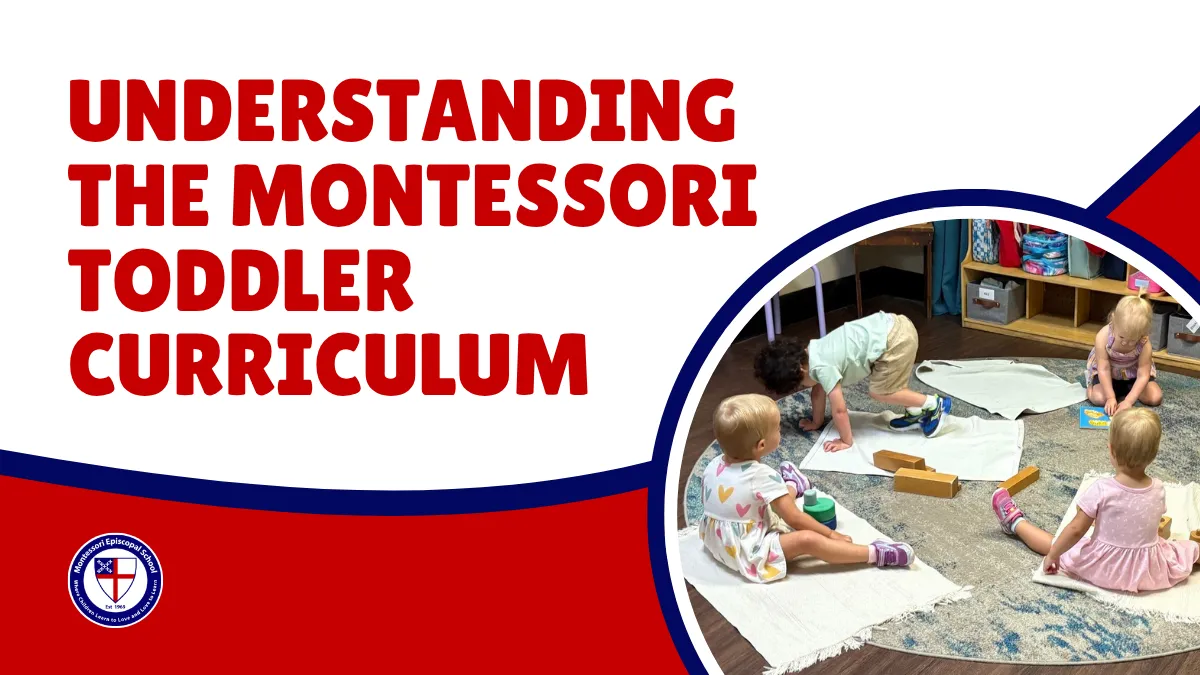
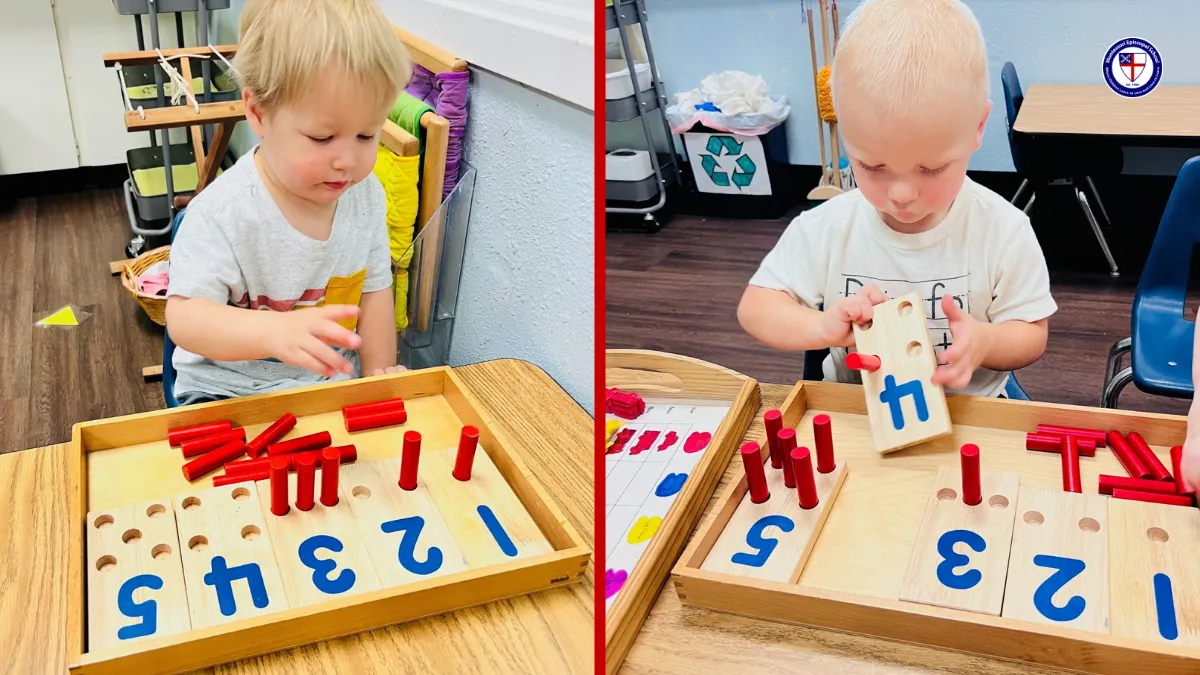
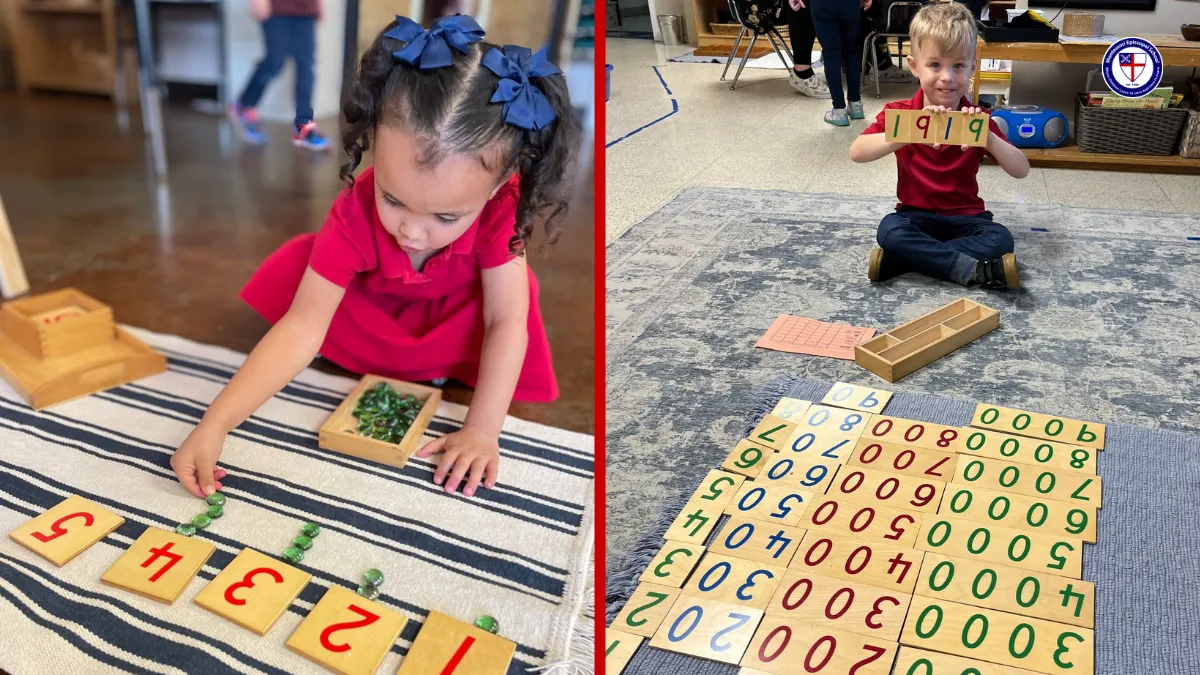
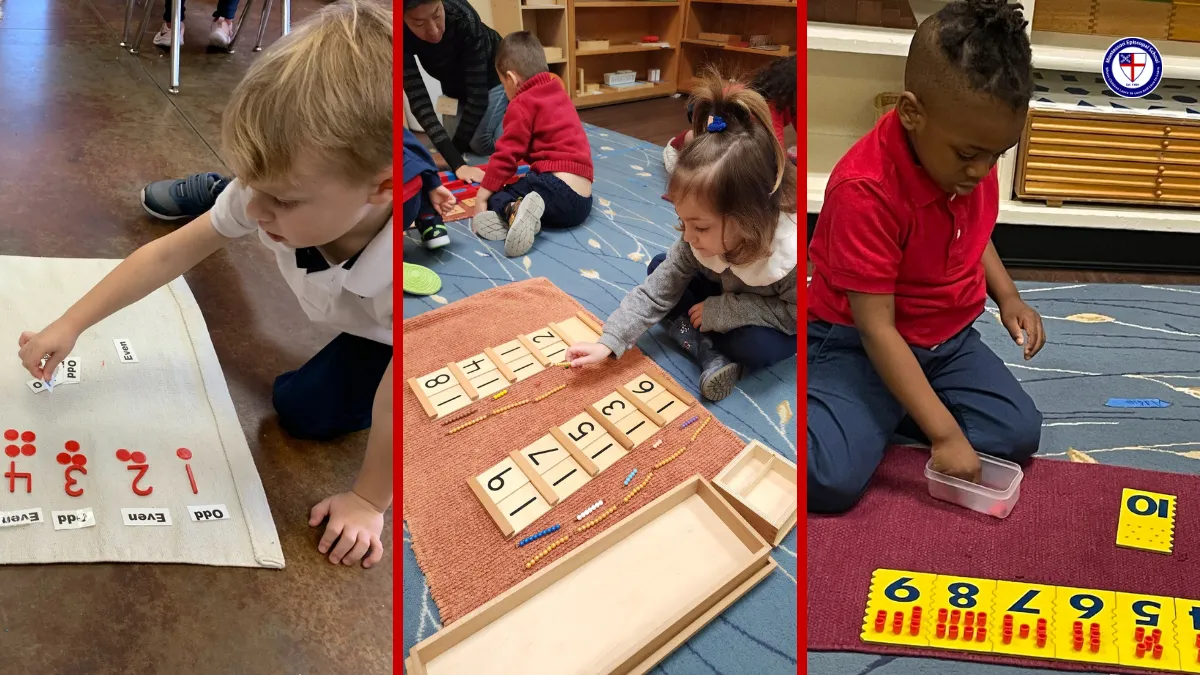
The Montessori toddler curriculum is designed to support development during one of the most important stages of early childhood. Rather than centering learning around worksheets or group instruction, it focuses on hands-on experiences that help toddlers build independence, coordination, communication, and confidence. Each activity is introduced with a purpose, allowing children to learn through repetition, movement, and exploration in a structured environment.
Practical Life Activities With Real Purpose
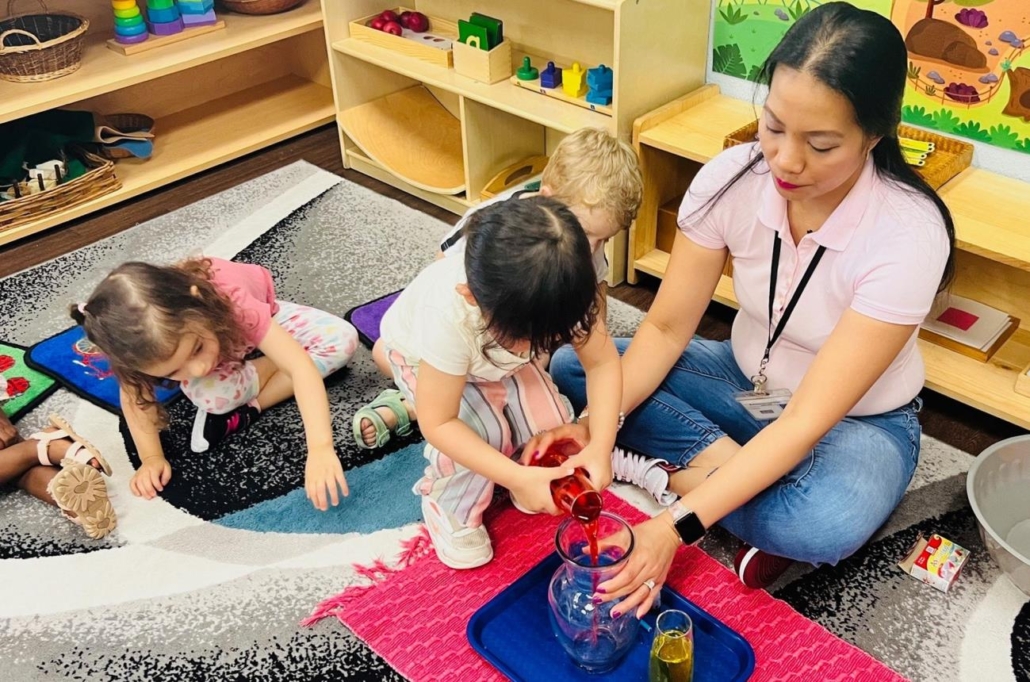
Practical life is a major part of the toddler curriculum. These activities help children develop focus, order, and self-help skills as they participate in meaningful tasks. In a Montessori classroom, toddlers may practice:
- pouring water
- washing hands
- carrying trays carefully
- cleaning up after work
- putting on shoes or jackets
These lessons support independence while also strengthening fine motor control and concentration.
Early Language And Sensory Development
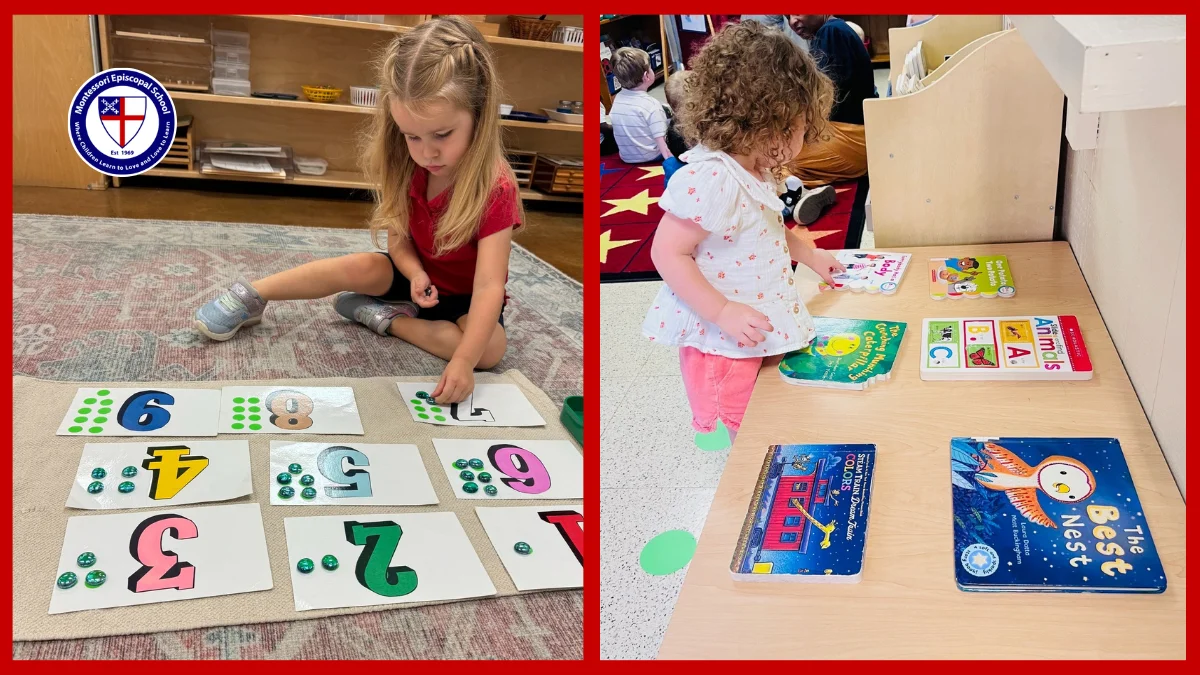
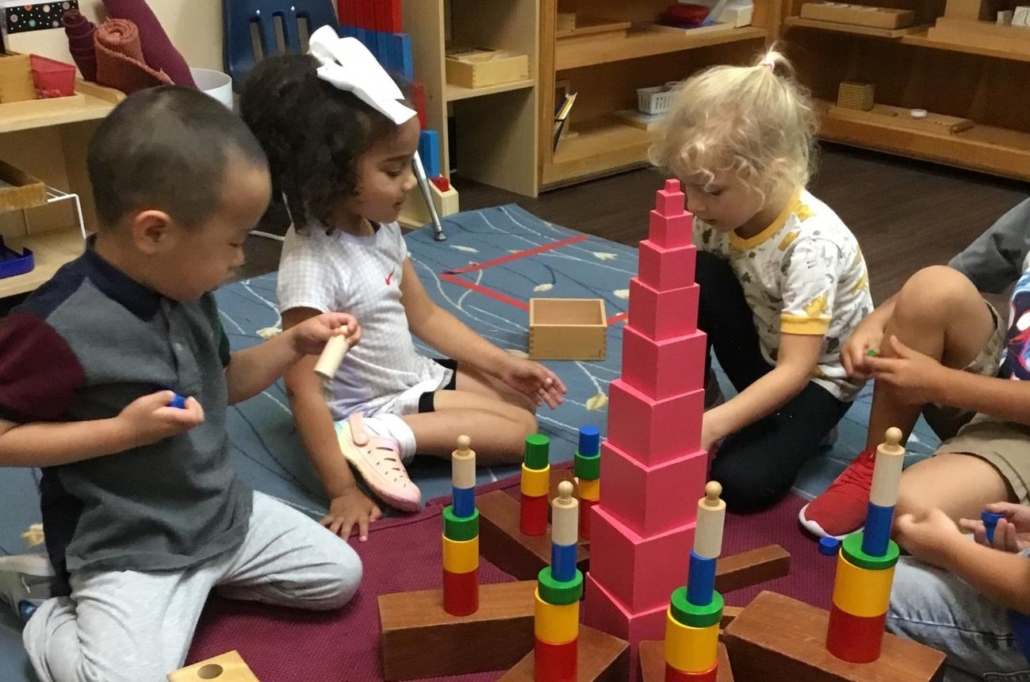
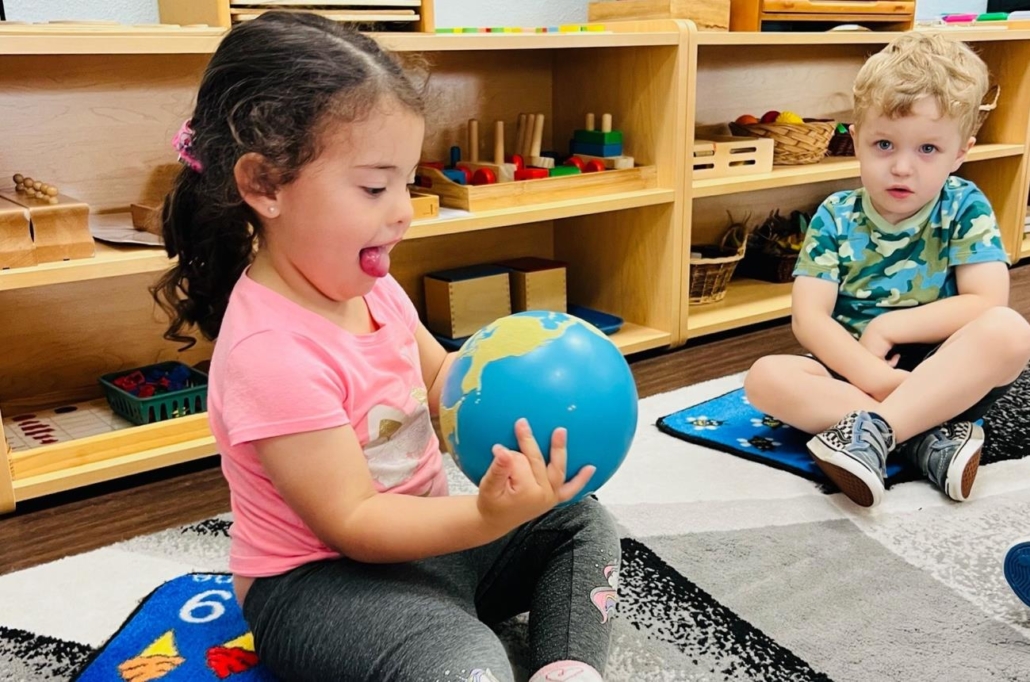
The curriculum also places strong emphasis on language development and sensory exploration. Toddlers are introduced to vocabulary through conversation, songs, books, object naming, and guided interaction with materials. Sensory activities help children refine their understanding of size, texture, shape, sound, and movement. At this stage, children learn best by using their senses, so the classroom is prepared to encourage active discovery rather than passive observation.
Movement, Routine, And Social Growth
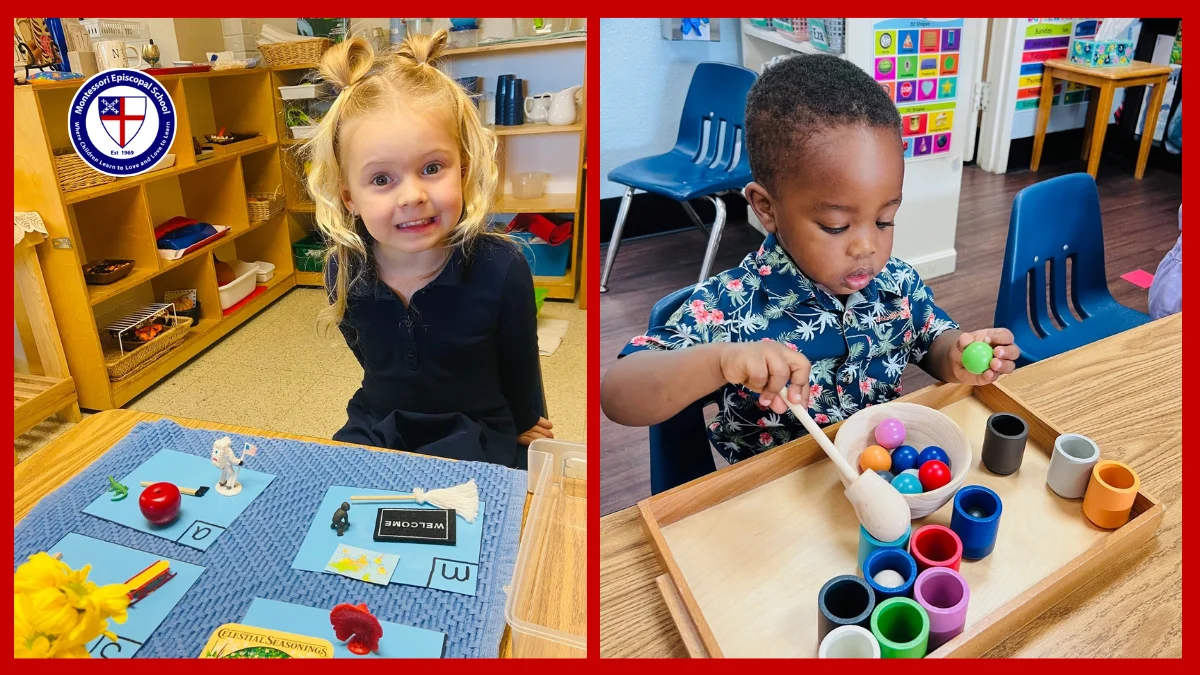
Montessori toddler programs understand that movement is part of learning. Children are given opportunities to walk, carry, sort, transfer, and explore with intention throughout the day. At the same time, predictable routines help toddlers feel secure and confident. As they participate in shared spaces, they also begin learning important social skills such as waiting, observing others, and treating materials with care.
A Thoughtful Foundation For Future Learning
The Montessori toddler curriculum is not meant to rush children academically. Its purpose is to build a strong developmental foundation by supporting the whole child. When toddlers are given the right environment, clear routines, and respectful guidance, they begin developing habits and abilities that prepare them well for future learning.
Montessori Toddler Vs Traditional Daycare: Key Differences For Parents
When comparing Montessori toddler programs with traditional daycare, parents often find that the differences go beyond schedule or classroom appearance. The biggest distinction is the overall approach to early childhood development. While both settings may provide care and supervision, Montessori is designed to support independence, purposeful learning, and respectful guidance during the toddler years.
Learning Approach And Daily Structure
In a traditional daycare setting, the day is often built around group activities, adult-led transitions, and general play. In a Montessori environment, the schedule is more intentional and child-centered. Toddlers are given opportunities to work with hands-on materials, repeat activities, and move at a developmentally appropriate pace. This helps children build concentration and confidence through active participation rather than passive entertainment.
Independence And Practical Skills
A Montessori toddler classroom places strong value on helping children do more for themselves. Daily routines are structured to encourage growing independence in simple, meaningful ways. Children may be guided to:
- put materials back after use
- wash their hands
- help prepare or clean up snack
- carry items carefully
- practice dressing skills
Traditional daycare may also support self-help skills, but Montessori makes them central to the learning process.
Teacher Role And Classroom Environment
Another key difference is the teacher’s role. In Montessori, teachers observe closely, model calmly, and guide children with intention. The classroom is prepared to promote order, movement, and choice within clear boundaries. Traditional daycare environments may be more flexible or activity-based, but they are not always structured around the same philosophy of independent discovery and carefully prepared materials.
What Parents Should Consider
For many families, the right choice depends on their goals for early education. Parents who value routine, hands-on learning, and whole-child development may be drawn to Montessori. Those comparing options should look closely at how each program supports behavior, communication, independence, and the child’s everyday classroom experience.
Signs A Program Aligns With Your Child’s Developmental Needs
Choosing the right early childhood program is not only about curriculum or location. It is also about finding an environment that matches your child’s current stage of growth. A strong toddler program should meet children where they are developmentally while helping them build confidence, independence, and security through consistent support.
The Expectations Feel Age-Appropriate
Toddlers are still learning how to communicate, follow routines, regulate emotions, and navigate social interactions. A program that aligns with their developmental needs will recognize this. Rather than expecting long attention spans or perfect behavior, it will offer realistic guidance, gentle repetition, and opportunities to learn through everyday experiences. Expectations should challenge children in healthy ways without creating unnecessary pressure.
The Environment Supports More Than One Area Of Growth
A quality program should nurture the whole child, not just one skill set. Parents should look for signs that the classroom supports:
- language development through conversation and naming
- motor skills through movement and hands-on tasks
- social growth through guided interaction
- emotional development through calm, respectful support
- independence through simple self-help routines
When these areas are woven into the day naturally, children are more likely to feel capable and engaged.
Your Child Feels Safe, Supported, And Interested
One of the clearest signs of a good fit is how your child responds to the environment. While adjustment takes time, a developmentally appropriate program often helps toddlers feel secure enough to explore, participate, and build trust with caregivers. Parents may notice growing comfort with routines, curiosity about materials, and small signs of independence emerging over time.
The Program Values Individual Development
Every toddler develops at a slightly different pace. A program that truly aligns with your child’s needs will observe and support individual progress rather than compare children too quickly. This kind of environment helps families feel confident that their child is being understood as a whole person, not simply expected to fit into a rigid model.
Conclusion
Choosing the right toddler program is an important decision for any family, especially during a stage of life when growth happens so quickly. By understanding what a Montessori environment offers, how the toddler curriculum is structured, and how it compares with traditional daycare, parents can make a more informed choice with confidence. A strong program should support independence, nurture the whole child, and provide a thoughtful foundation for future learning. For families exploring early education options in Lewisville, taking time to examine the philosophy, classroom structure, and daily routines can make all the difference.
To learn more or schedule a visit, contact Montessori Episcopal School at (972) 895-9050 or visit https://montessoriepiscopal.com/contact/.
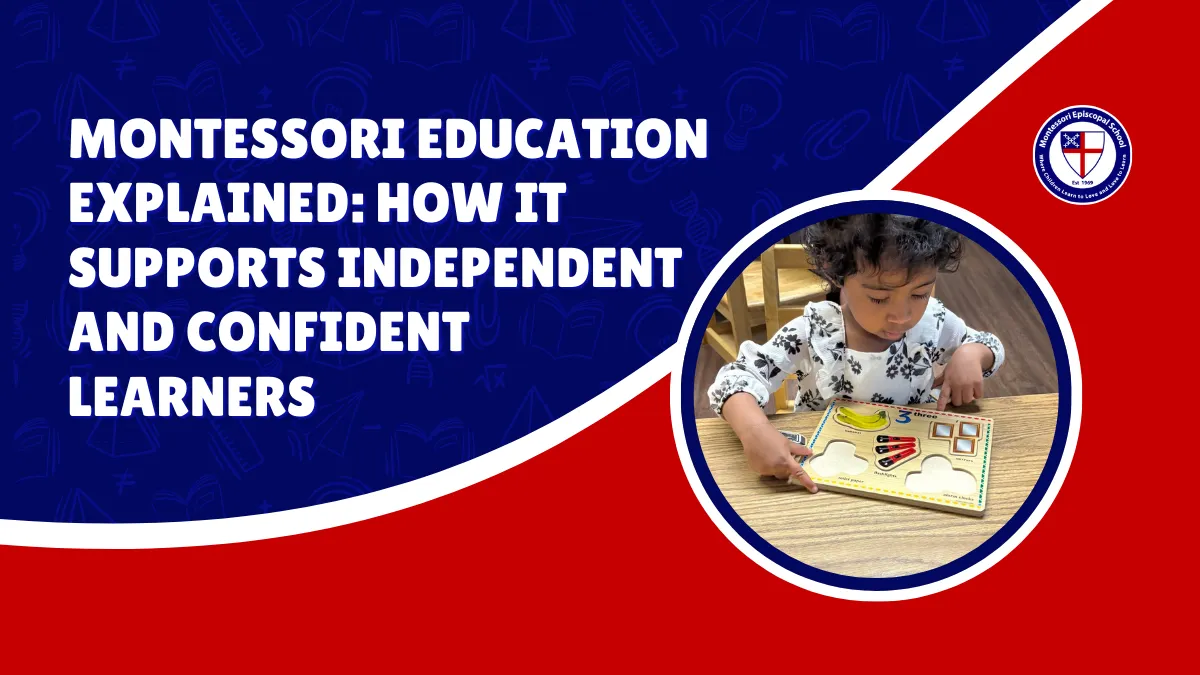


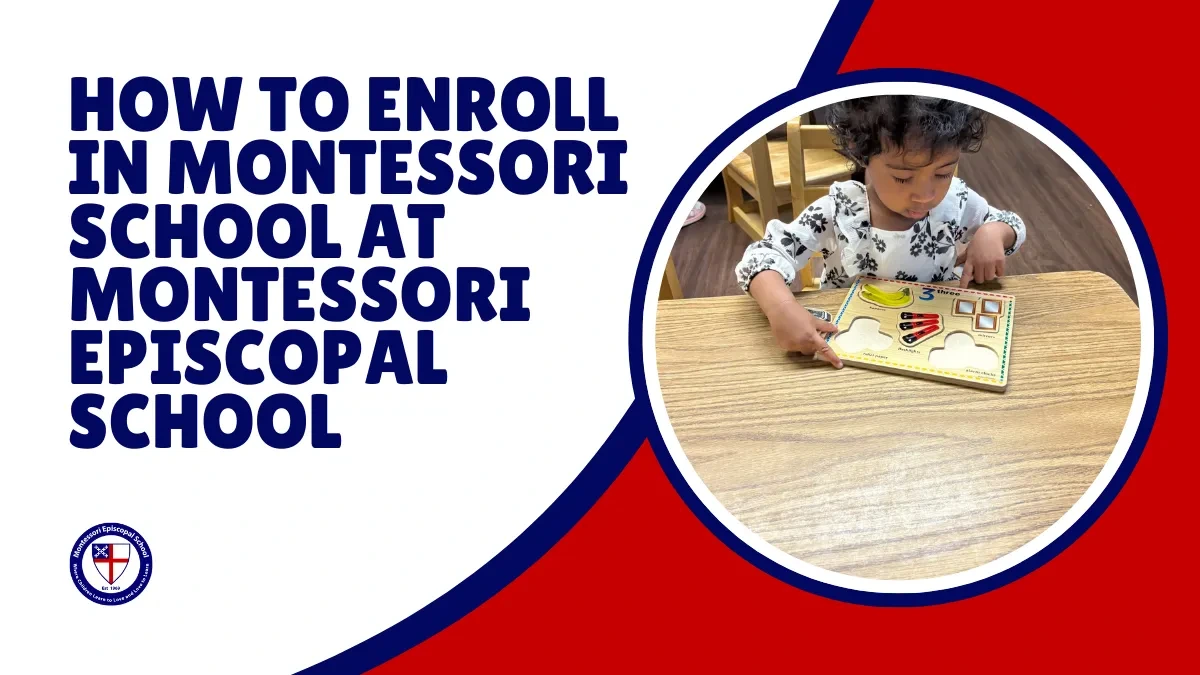 Families learning to enroll in Montessori school at Montessori Episcopal School follow a clear, organized process that respects both the child and the family’s time. The school