A Parent’s Handbook to Implementing Montessori Education at Home
Bringing the principles of Montessori education into your home environment can be a transformative experience for both parents and children. This child-centered approach, pioneered by Dr. Maria Montessori, emphasizes independence, self-directed learning, and a nurturing environment tailored to each child’s developmental needs. By adapting the Montessori method at home, you can unlock your child’s innate curiosity, foster their love for learning, and equip them with invaluable life skills.
Understanding Montessori Education and Its Principles
Before delving into the practical aspects of implementing Montessori education at home, it’s essential to understand the foundational principles and philosophy that guide this innovative approach. Developed by the pioneering educator Maria Montessori, this child-centered methodology revolutionized how we perceive children’s innate abilities and capacity for self-directed learning.
Through years of scientific observation and experimentation, Maria Montessori developed a comprehensive educational philosophy and methodology emphasizing a child-led approach with a natural inclination toward learning and growth.
The Philosophy Behind Montessori Education
Child-Centered Learning
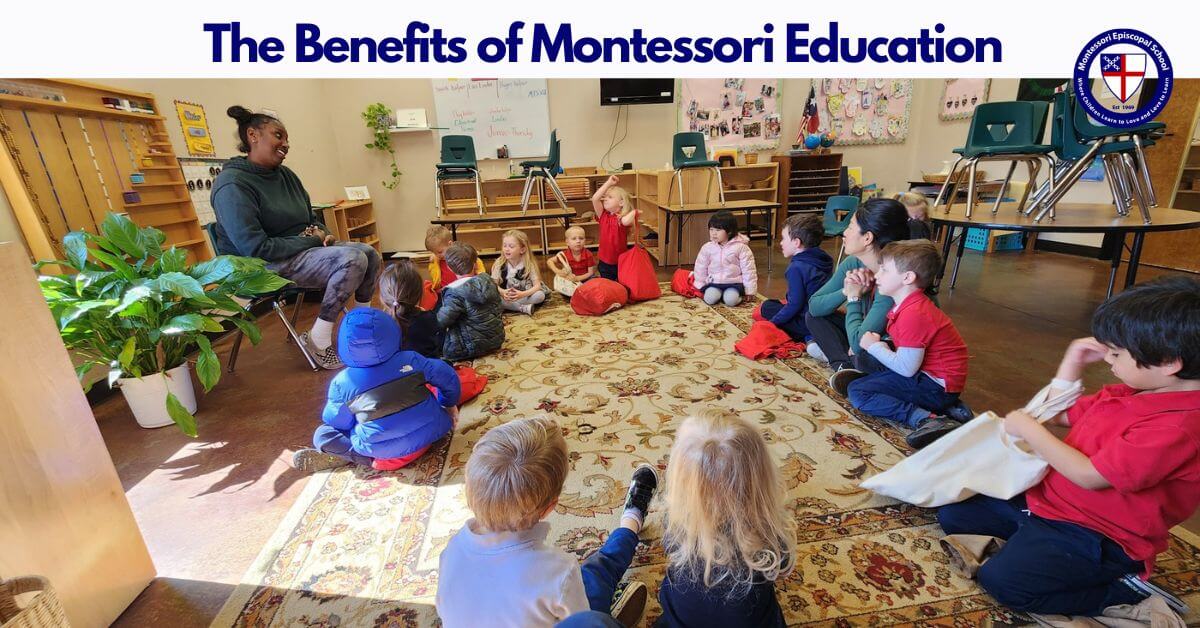
At the core of Montessori early childhood education is the belief that children possess an intrinsic desire to learn and explore their surroundings. This philosophy is founded on child-centered learning, where the child’s interests, abilities, and developmental pace guide the learning process. Montessori classrooms, or “prepared environments,” are meticulously designed to cater to the child’s innate curiosity and facilitate self-directed discovery.
The Role of the Environment
In the Montessori approach, the environment plays a pivotal role in nurturing a child’s natural inclination toward learning. This personal space is carefully crafted to engage children’s natural instincts and senses, promote concentration, and foster independence. Every aspect of the prepared environment, from the thoughtfully arranged Natural materials to the orderly and inviting spaces, is intentionally curated to inspire children to actively participate in their learning journey.
Core Components of Montessori Education
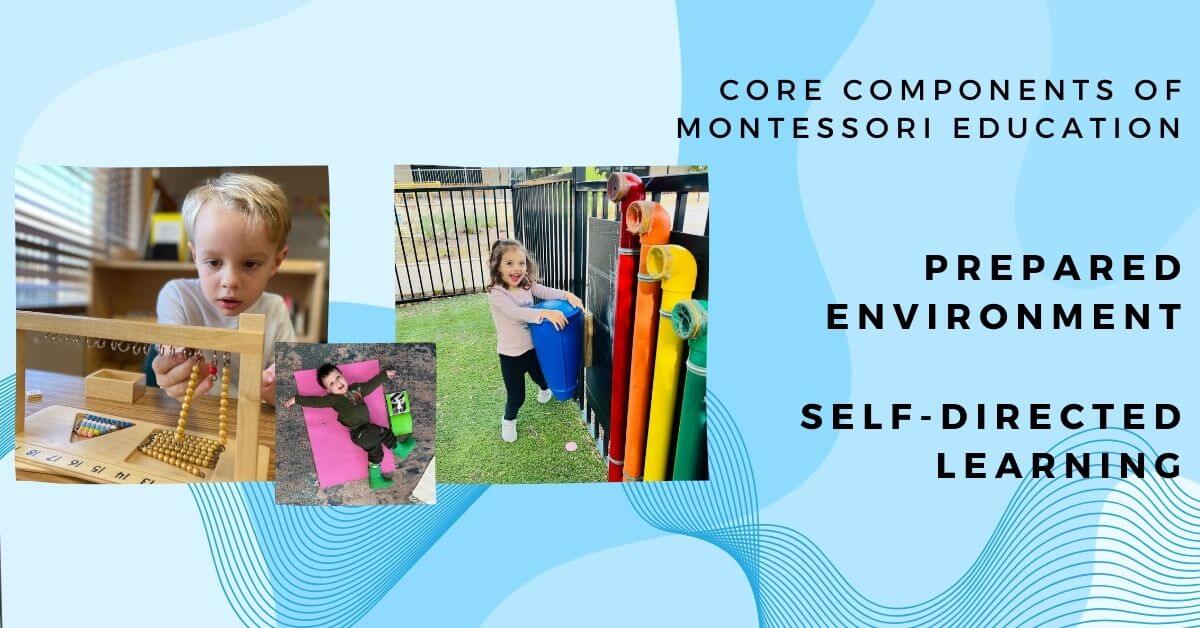
Prepared Environment
The Montessori environment is thoughtfully organized and aesthetically appealing. It encourages exploration, concentration, and self-directed learning. It is designed to meet the developmental needs of children at different stages, providing them with appropriate materials and activities that align with their cognitive, physical, and social-emotional growth.
Auto education (Self-Directed Learning):
A cornerstone of Montessori education is the principle of auto education or self-directed learning. Children are encouraged to follow their natural curiosity and engage in activities that captivate their interest, fostering intrinsic motivation and a lifelong love for learning. This approach empowers children to take ownership of their educational journey and develop essential skills such as self-discipline, time management, and problem-solving.
The Role of the Montessori Educator at Home:
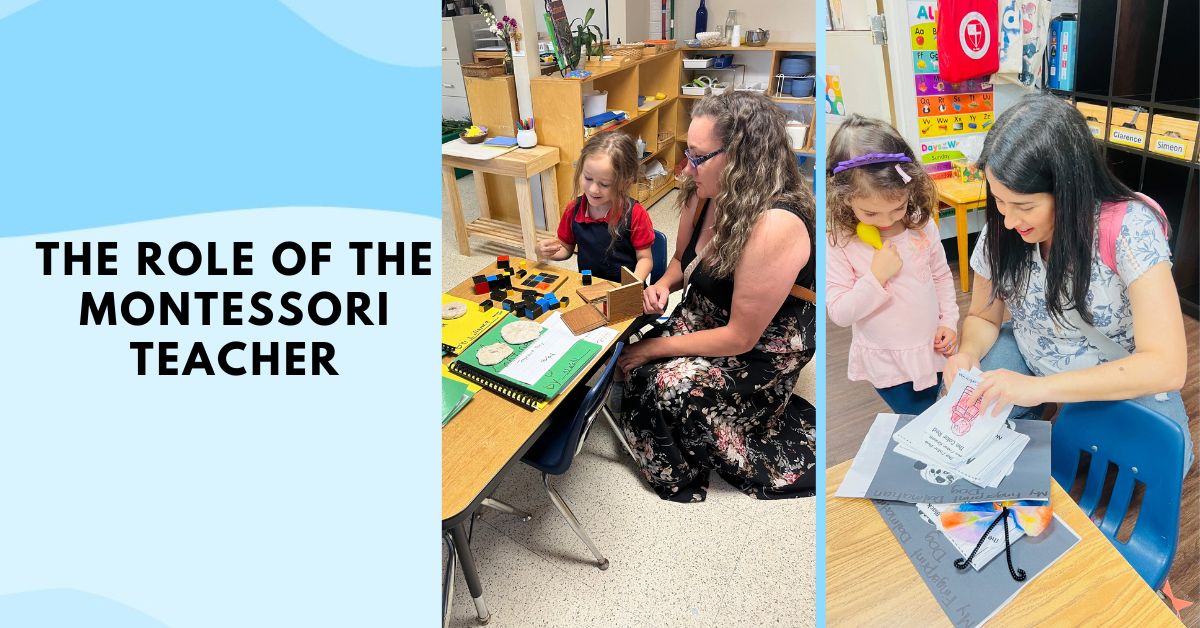
In a home Montessori environment, parents or caregivers assume the role of guides, observing their child’s interests and developmental needs and facilitating learning experiences accordingly. They create an atmosphere of respect, trust, and freedom within appropriate limits, allowing children to explore and learn at their own pace while providing gentle guidance when needed.
Setting Up Your Home Montessori Environment
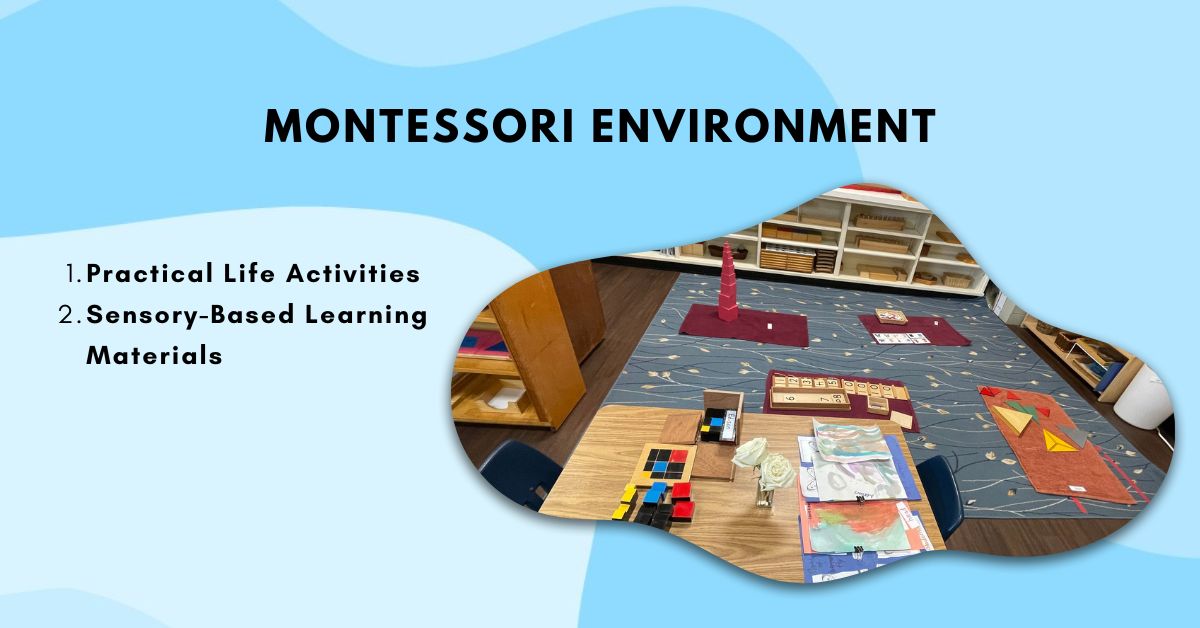
Creating a Prepared Environment at Home
Practical Life Activities:
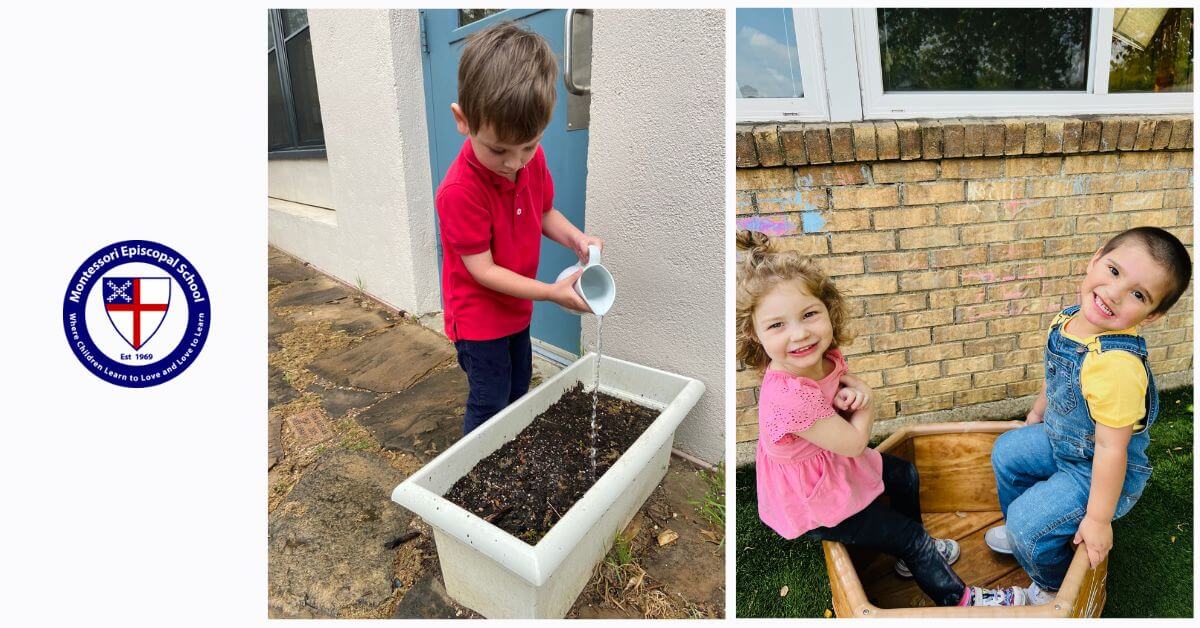
Practical life activities are essential components of the Montessori environment, serving as a gateway for children to develop essential life skills. These activities, such as pouring, sorting, buttoning, and sweeping, foster fine motor skills and concentration and mirror real-life situations. They instill a sense of accomplishment and confidence in children as they master practical tasks.
Sensory-Based Learning Materials:
Montessori education emphasizes sensory skills exploration as a pathway to understanding the world. Incorporate a variety of materials that stimulate the child’s senses, such as tactile objects with various textures, sound cylinders for auditory exploration, and color tablets or prisms for visual discrimination. These sensory-rich experiences enhance children’s powers of observation, concentration, and ability to discern subtle differences.
Designing Learning Spaces:
Language:
Create a dedicated language area that fosters literacy skills. Incorporate materials such as sandpaper letters, movable alphabets, and a rich collection of books, including fiction, non-fiction, and culturally diverse titles. Encourage children to explore letter sounds, build words, and engage in reading and storytelling activities on a daily basis.
Music:
Nurture your child’s appreciation for music and develop their auditory skills by incorporating musical instruments, rhythm sticks, and audio resources into their learning environment. Sing songs, clap rhythms, and encourage creative expression through music and movement.
Mathematics:
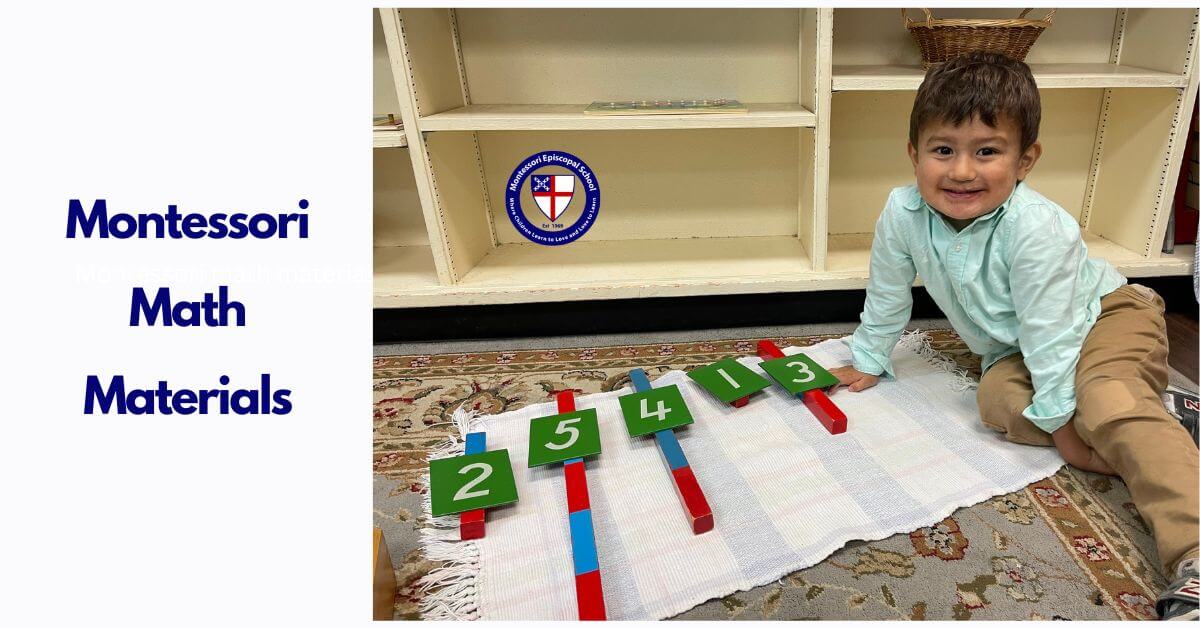
Introduce mathematical concepts concretely and engagingly through hands-on learning materials like number rods, bead chains, and golden bead materials. These manipulatives allow children to explore quantities, patterns, and operations through tactile experiences, laying a foundation for later abstract thinking.
Art:
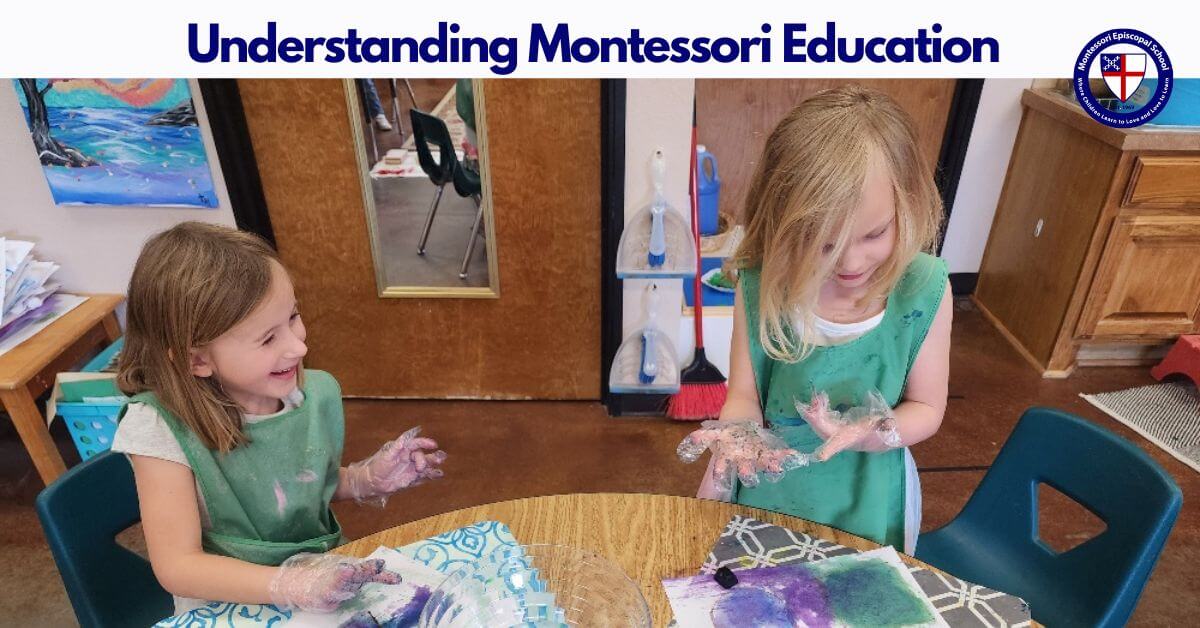
Provide open-ended art supplies, such as child-safe scissors, crayons, paints, and various textures and materials, to encourage creative expression and motor skill development. Set up an inviting art area where children can freely explore different mediums and techniques without constraints of predetermined outcomes.
Physical Education:
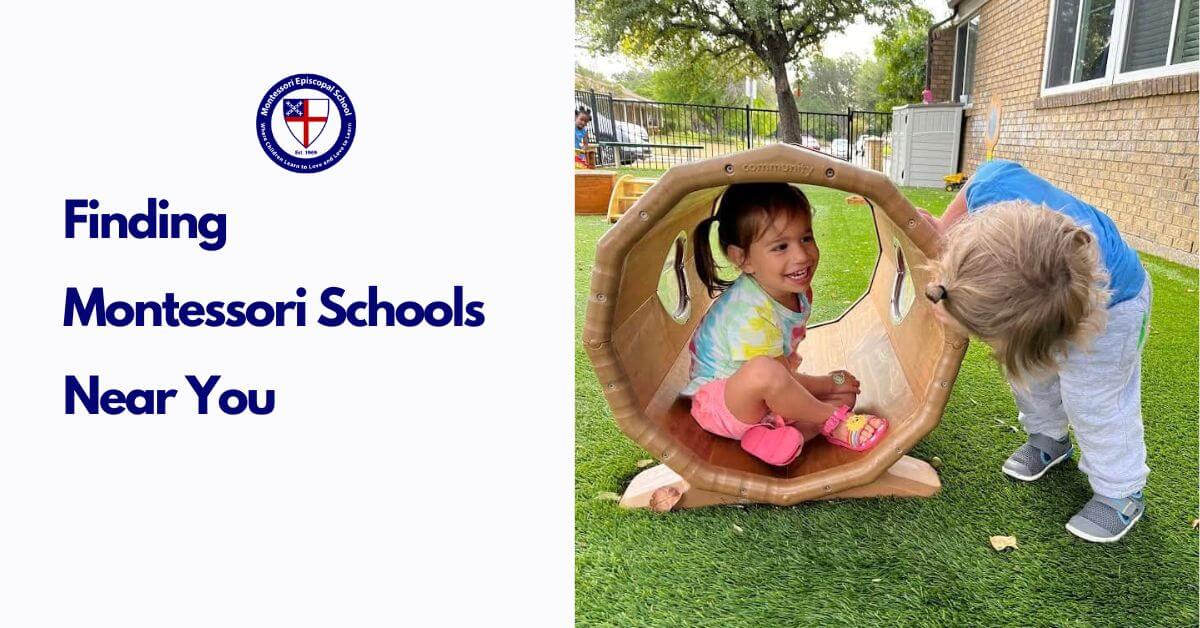
Designate a space for physical activities, including gross motor equipment like climbing structures, balance beams, and outdoor play areas. Encourage movement, coordination, and body awareness through activities such as yoga, dance, and games that involve running, jumping, and balancing.
Self-Care:
Foster independence by setting up a self-care station with child-sized tools for dressing, grooming, and caring for their environment. This area can include child-friendly mirrors, brushes, dustpans, and other age-appropriate tools that empower children to care for themselves and their surroundings.
Montessori Materials: You Can DIY
Everyday Items as Learning Tools:
Embrace the Montessori principle of using everyday household items as learning tools. Repurpose buttons, spoons, containers, and other common objects for sorting, transferring, and practical life activities. Not only is this cost-effective, it also encourages children to see learning opportunities in their daily surroundings.
Affordable or Free Montessori Resources:
Explore online resources, thrift stores, and community spaces for affordable or free Montessori materials like child-sized Furniture, educational websites and social media groups offer DIY ideas, printable resources, and step-by-step guides to create your Montessori-inspired activities and materials. This saves money and allows you to customize resources to suit your child’s specific interests and needs.
Montessori Education Techniques for Parents
Adapting the Montessori approach within the home environment requires parents to embrace specific techniques that align with the philosophy’s core principles. These techniques guide fostering your child’s independence, supporting their natural development, and creating an environment conducive to self-directed learning. By understanding and implementing these techniques, parents can effectively bring the benefits of Montessori education into their homes.
Adapting Montessori Methods as Your Child Grows
A key aspect of implementing Montessori education at home is adapting and tailoring the methods to meet your child’s developmental needs as they progress through various stages. The Montessori approach recognizes that each child is unique and follows their natural rhythm of growth and learning. As a parent, it’s essential to understand these developmental stages and adjust the learning activities, materials, and expectations accordingly.
Tailoring Learning Activities to Developmental Stages:
Montessori for Infants (0-12 months):
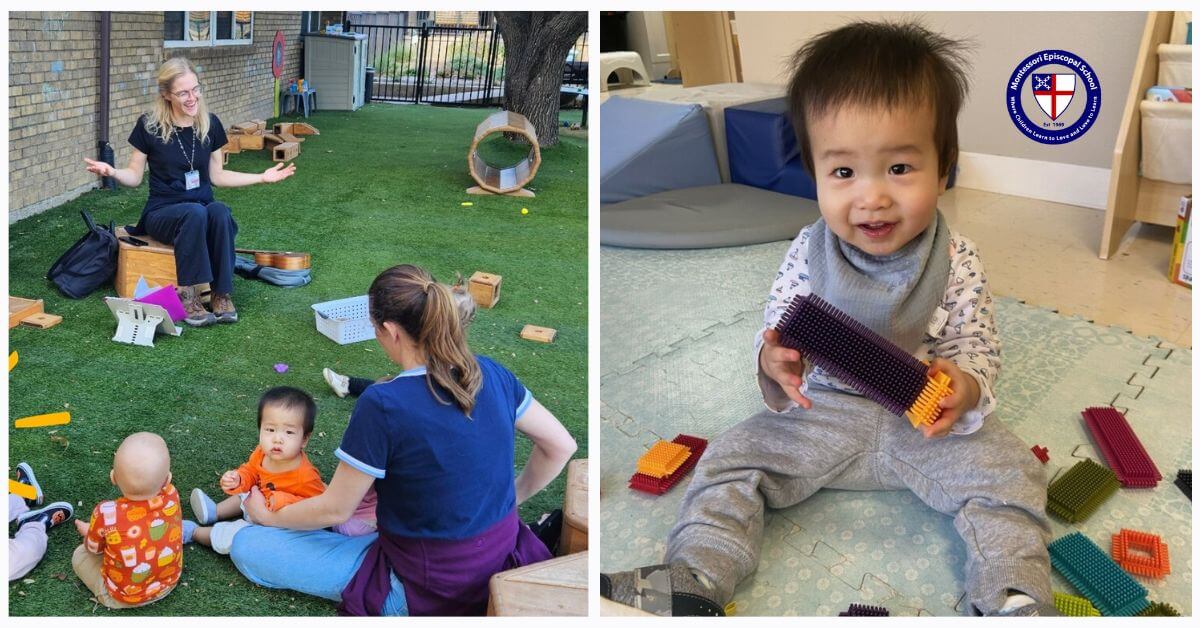
During the first year of life, create a safe, nurturing environment that stimulates the senses. Provide age-appropriate materials for grasping, exploring different textures, and observing contrasting colors and patterns. During the infant stage, Montessori activities focus on sensory skills exploration, language development, and fostering a sense of security and trust. A few examples include:
- Mobiles and gentle sensory toys (rattles, textured balls, etc.) stimulate visual and auditory senses.
- Black and white contrast cards or books to develop visual tracking.
- Engaging in narration and naming objects during daily routines.
- Providing an uncluttered safe space for tummy time and freedom of movement
Useful Resources:
- “Montessori from the Start” by Paula Polk Lillard and Lynn Lillard Jessen
- Munari’s Montessori Mobiles
- Black and White Contrast Cards or Books
- Wooden Rattles or Sensory Balls
Montessori for Toddlers (12-36 months):
As your child enters the toddler years, introduce practical life activities, such as dressing frames, pouring exercises, and sorting activities. Encourage language development through naming objects, reading books, and engaging in simple conversations. Examples include:
- Dressing frames, pouring activities, and spooning exercises to develop fine motor skills.
- Sorting and matching activities with real objects or knobbed puzzles.
- Introducing sandpaper letters and movable alphabets for early literacy.
- Observing nature trays, nature walks, and exploration of the outdoor environment.
Useful Resources:
- “How to Raise an Amazing Child the Montessori Way” by Tim Seldin
- Montessori Dressing Frames
- Wooden Knob Puzzles
- Sandpaper Letters and Movable Alphabets
- Child-sized Brooms, Dustpans, and Aprons
Montessori for Preschoolers (3-5 years):
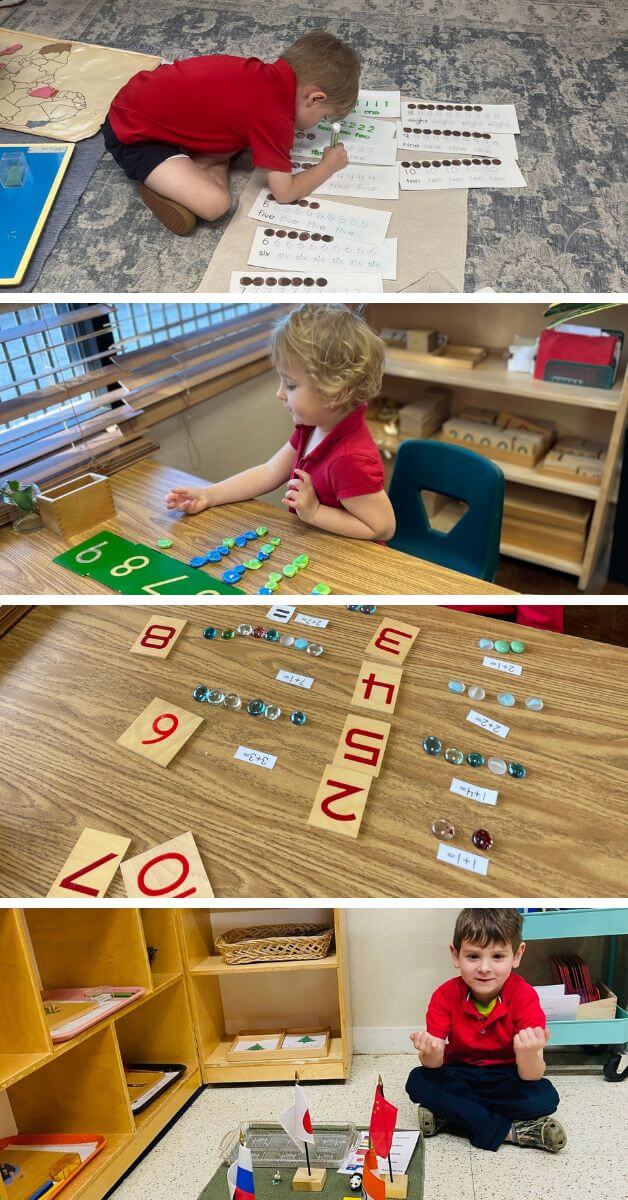
Expand on practical life skills, introduce sensorial materials, and begin exploring early literacy and numeracy concepts through hands-on activities and manipulatives. Foster independence by allowing children to make choices, care for their environment, and participate in daily routines. During the preschool years, Montessori emphasizes real-life skills, sensorial exploration, language development, and early math concepts. Examples include:
- Pouring, transferring, and spooning activities with a range of materials.
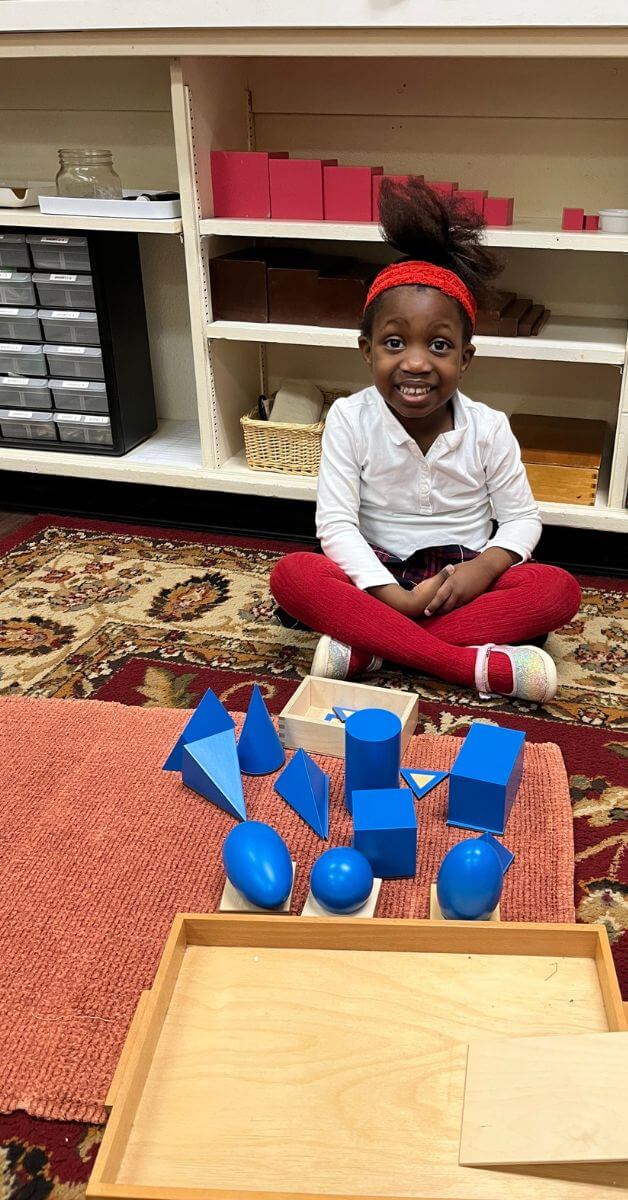
- Sensorial materials like color tablets, sound cylinders, and geometric solids.
- Introduction to the Movable Alphabet and early reading activities.
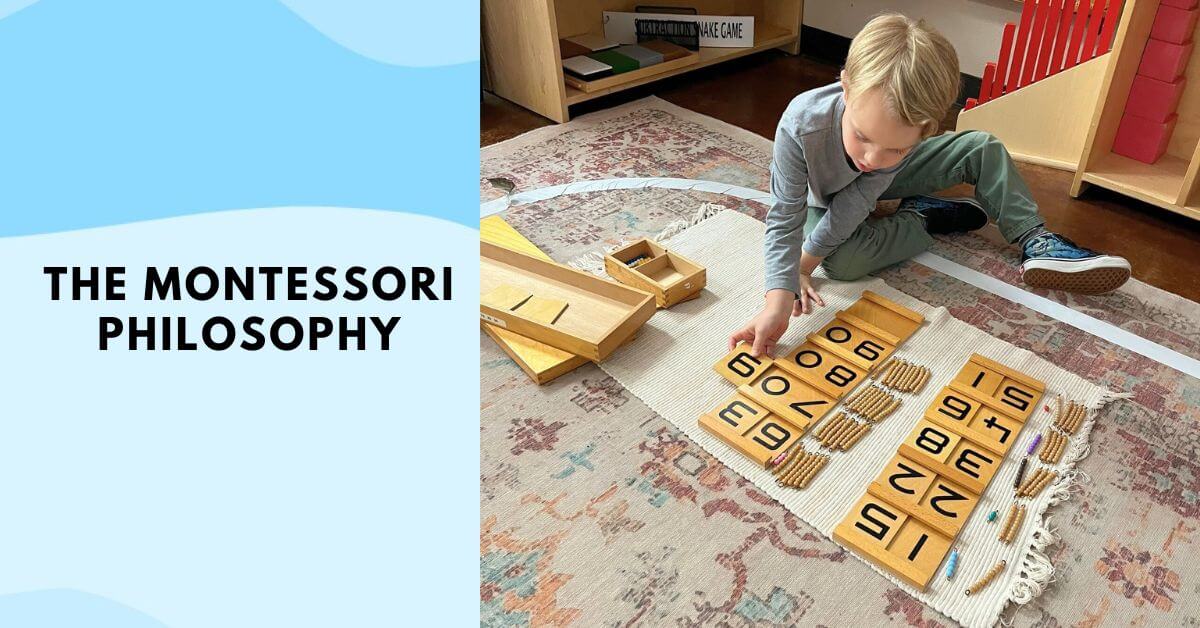
- Number rods, spindle boxes, and bead chains for understanding quantities.
Useful Resources:
- “Teach Me to Do It Myself” by Maja Pitamic
- Montessori Sensorial Materials (Color Tablets, Sound Cylinders, etc.)
- Movable Alphabet and Sandpaper Letters
- Number Rods, Spindle Boxes, and Bead Chains
- Child-sized Tools (Brooms, Dustpans, Pitchers, etc.)
Montessori for Pre-Kindergarteners (4-6 years):
Continue building on foundational skills while introducing more complex materials for language, mathematics, cultural studies, and practical life extensions. Encourage research projects, collaborative learning, and activities that challenge their developing abilities in various subject areas. At the pre-kindergarten stage, Montessori focuses on refining real-life skills, language development, and expanding mathematical and cultural concepts. A few examples are:
- Advanced practical life activities like buttoning, lacing, and sewing.
- Reading practice with phonetic objects and early writing activities.
- Introduction to the decimal system using golden bead materials.
- Explorations of geography, science, and cultural studies through hands-on materials.
Useful Resources:
- “Montessori: A Modern Approach” by Paula Polk Lillard
- Golden Bead Materials and Decimal System Materials
- Phonetic Object Boxes and Movable Alphabets
- Geography Puzzles and Cultural Artifacts
- Child-sized Tools for Advanced Practical Life Activities
Montessori for Kindergarteners (5-6 years):
In the kindergarten years, Montessori emphasizes independent work, critical thinking, and applying learned concepts to real-life situations. Offer opportunities for advanced materials and activities that foster critical thinking, problem-solving, and application of learned concepts. Encourage independent work, self-reflection, and the ability to articulate their thought processes. Here are a few examples:
- Advanced language activities like word study, creative writing, and reading comprehension.
- Operations with the decimal system and introduction to fractions.
- Exploration of scientific concepts through experimentation and observation.
- Collaborative projects and research-based learning activities.
Useful Resources:
- “Montessori Today” by Paula Polk Lillard
- Word Study Materials and Movable Alphabets
- Decimal System and Fraction Materials
- Science Experiment Kits and Nature Observation Tools
- Collaborative Project Materials (World Maps, Timelines, etc.)
Encouraging Independence and Responsibility:
A fundamental aspect of the Montessori approach is fostering independence and responsibility in children. Gradually increase their involvement in age-appropriate tasks, such as cleaning up after themselves, setting the table, caring for plants or pets, or preparing simple snacks. This not only instills a sense of ownership and self-discipline but also builds practical life skills that will serve them well in the future.
Parenting the Montessori Way
Adopting a Montessori approach to parenting involves shifting from a traditional authoritarian mindset to one that prioritizes respect, freedom within limits, and a deep understanding of the child’s inner motivations and developmental needs. This philosophy extends beyond the classroom and permeates every aspect of the child’s life, including the home environment.
Cultivating a Respectful and Supportive Relationship:
The parent-child relationship in a Montessori household is built on mutual respect and trust. Parents communicate with their children in a calm, respectful manner, actively listening to their perspectives and validating their emotions. Rather than commanding obedience, parents offer age-appropriate choices and encourage children’s autonomy within reasonable boundaries. Positive reinforcement and celebration of effort foster a growth mindset and intrinsic motivation.
Observing and Guiding Rather Than Directing:
Montessori parents adopt the role of observers and guides rather than dictators. They watch for cues that indicate their child’s interests, developmental readiness, and areas where support may be needed. Instead of constant instructions, parents offer gentle guidance, allowing children the freedom to explore, make mistakes, and discover solutions independently. This approach to education nurtures problem-solving skills, resilience, and a love for learning that extends beyond the classroom.
Fostering Independence and Self-Discipline:
A cornerstone of the Montessori approach is nurturing independence and self-discipline from an early age. Parents gradually involve children in age-appropriate tasks, such as self-care routines, household chores, and caring for their environment. This not only instills a sense of responsibility and ownership but also builds practical life skills that serve children well throughout their lives.
Embracing the Montessori principles in parenting requires a shift in perspective and a commitment to creating an environment that respects the child’s natural development and fosters a lifelong love for learning. By adopting a supportive, nurturing, and respectful approach, parents can unlock their child’s full potential and establish a strong human development foundation for future success.
The Impact of Montessori Education at Home
Cognitive and Social Benefits
Enhancing Concentration and Self-discipline:
The Montessori environment and activities are purposefully designed to cultivate extended periods of deep concentration, known as the “normalization” period. Children learn to focus their attention on tasks without frequent interruptions, fostering self-discipline and the ability to sustain their engagement. These concentration skills lay the foundation for future academic and professional success as children develop the capacity to tackle complex challenges with dedication and perseverance.
Promoting Social Awareness and Cooperation:
Montessori education emphasizes community building and collaborative learning, encouraging children to respect others, work cooperatively, and develop empathy and compassion. By engaging in group activities and learning to share resources, children cultivate essential social skills that enable them to navigate interpersonal relationships effectively. They learn to communicate their needs, resolve conflicts peacefully, and appreciate diverse perspectives.
Preparing for the Future
Lifelong Learning Skills:
The Montessori approach instills a deep-rooted love for learning and an insatiable curiosity about the world. Children develop critical thinking skills, problem-solving abilities, and a sense of responsibility for their own education. They learn to ask thoughtful questions, conduct research, and apply their knowledge to real-life scenarios, setting the foundation for lifelong learning and adaptability both in academia and future careers in an ever-changing world.
Adaptability and Problem-solving Abilities:
By engaging in hands-on activities and exploring real-world scenarios, children in a Montessori environment develop invaluable adaptability and problem-solving skills. They learn to approach challenges with creativity, resilience, and the ability to think outside the box. These skills are crucial for navigating the complexities of the modern world, where flexibility and innovation are highly valued.
Practical Ideas and Resources for Home-Based Montessori
Daily Montessori Routines to Implement:
- Incorporate practical life activities, such as setting the table, preparing simple healthy snacks or meals, caring for plants, and tidying up, into your daily routine. These activities not only teach practical skills but also foster independence, concentration, and a sense of responsibility.
- Establish a designated work period where your child can engage in self-directed practical activities without interruption. This uninterrupted time allows for deep concentration and supports the development of self-regulation skills.
- Encourage outdoor activities and nature-based exploration to foster a connection with the natural world. Observe changes in the environment, collect specimens, and engage in gardening or outdoor practical life exercises.
- Implement a consistent routine for mealtimes, personal care, and transitions to promote a sense of order and independence. Involve your child in the process by allowing them to participate in age-appropriate complex tasks.
Online Resources and Communities for Support:
- Join online Montessori communities and forums to connect with other parents, share ideas, seek guidance, and gain inspiration. These platforms offer a wealth of knowledge and support from experienced Montessori educators and parents.
- Explore educational websites and blogs dedicated to Montessori education. These resources often provide Montessori-inspired activities, printables, and DIY projects tailored to different age groups and subject areas.
- Utilize video platforms to access tutorials, demonstrations, and virtual Montessori lessons. Many Montessori educators and bloggers share their expertise through video content, making it easier to understand and implement the principles at home.
Books and Educational Materials for Further Learning:
- Invest in well-respected Montessori books and curriculums to deepen your understanding of the philosophy and methods. Classic titles like “The Absorbent Mind” and “The Discovery of the Child” by Maria Montessori provide invaluable insights into her groundbreaking work.
- Explore catalogs or online stores that offer high-quality Montessori materials and classroom resources for home use. While some materials can be DIY or improvised, investing in authentic Montessori materials can enhance the learning experience.
- Attend local workshops, seminars, or Montessori training programs to enhance your knowledge and skills further. These educational opportunities often provide hands-on experience and guidance from certified Montessori instructors.
Conclusion:
Embracing Montessori education at home requires patience, dedication, and a willingness to adapt to your child’s unique needs. By creating a nurturing environment, respecting your child’s natural curiosity, and fostering a love for learning, you can unlock your child’s full potential and equip them with the skills and mindset necessary for success in an ever-changing world.
Discover Authentic Montessori Education at Montessori Episcopal School
Your search for “montessori childcare near me” in Lewisville, TX ends with us. For families seeking a high-quality Montessori education for their children aged 9 months to 6 years, Montessori Episcopal School in Lewisville offers a nurturing and enriching environment that fosters a lifelong love for learning. Our experienced Montessori guides are dedicated to supporting each child’s unique journey and helping them reach their full potential. Contact us today to learn more about our comprehensive Montessori childcare programs and schedule a visit to our school.
Frequently Asked Questions
1. How to teach Montessori at home?
Teaching Montessori at home involves creating a prepared environment that encourages independence, self-directed learning, and hands-on exploration. Incorporate practical life activities, sensory materials, and age-appropriate learning resources that align with your child’s interests and developmental stage. Observe your child’s cues, provide gentle guidance, and allow them the freedom to learn at their own pace. Montessori education at home can have lasting benefits as seen above.
2. How to set up a Montessori home?
Setting up a Montessori home starts with creating designated learning spaces that are orderly, uncluttered, and aesthetically appealing. Organize materials on low, accessible shelves, and ensure the environment is child-friendly and safe for exploration. Incorporate natural elements, such as plants, natural fibers, and wooden toys, to foster a connection with nature. To have Regularly rotate materials to maintain novelty and pique your child’s curiosity. Don’t miss out on the opportunity to provide your child with a Montessori education at home. Take the first step and contact Montessori Episcopal School today to explore our tailored programs and expert guidance.
3. How to apply the Montessori method at home?
Applying the Montessori method at home involves embracing the core principles of respect, independence, and self-directed learning. Observe your child’s interests and developmental needs, and provide appropriate learning materials and activities. Encourage practical life skills by involving your child in daily life and everyday tasks. Foster concentration by allowing uninterrupted work cycles and avoiding unnecessary interruptions.
4. How to create a Montessori environment at home?
Creating a Montessori environment at home involves designing safe spaces that are inviting, orderly, and tailored to your child’s age and abilities. Incorporate child-sized furnFurnituretural materials, and open-ended toys that promote exploration and creativity. Organize learning materials on accessible shelves, and rotate daily activities regularly to maintain interest. Ensure the environment has a quiet space and is conducive to independent learning. Ready to embark on a Montessori adventure at home? Connect with Montessori Episcopal School and let our experienced educators help you create an enriching learning environment for your child.
5. How to teach Montessori math at home?
Teaching Montessori math at home involves introducing concepts through hands-on materials that allow for concrete exploration. Start with sensory experiences and progress to materials like number rods, bead chains, and golden bead materials. Encourage your child to manipulate and experiment with these resources, gradually building their understanding of quantities, patterns, and operations. Incorporate real-life examples and practical applications to make math relevant and engaging.
6. How to teach Montessori preschool at home?
Teaching Montessori preschool at home involves creating a rich learning environment that covers various subject areas, including practical life skills, sensorial exploration, language development, mathematics, cultural studies, and art. Provide age-appropriate materials and include complex tasks like kitchen activities that foster independence, concentration, and a love for learning. Encourage hands-on exploration, foster a sense of community, and celebrate your child’s achievements and efforts.
Remember, the key to successful Montessori education at home lies in respecting your child’s natural curiosity, providing a nurturing environment, and being a supportive guide throughout their learning journey.