
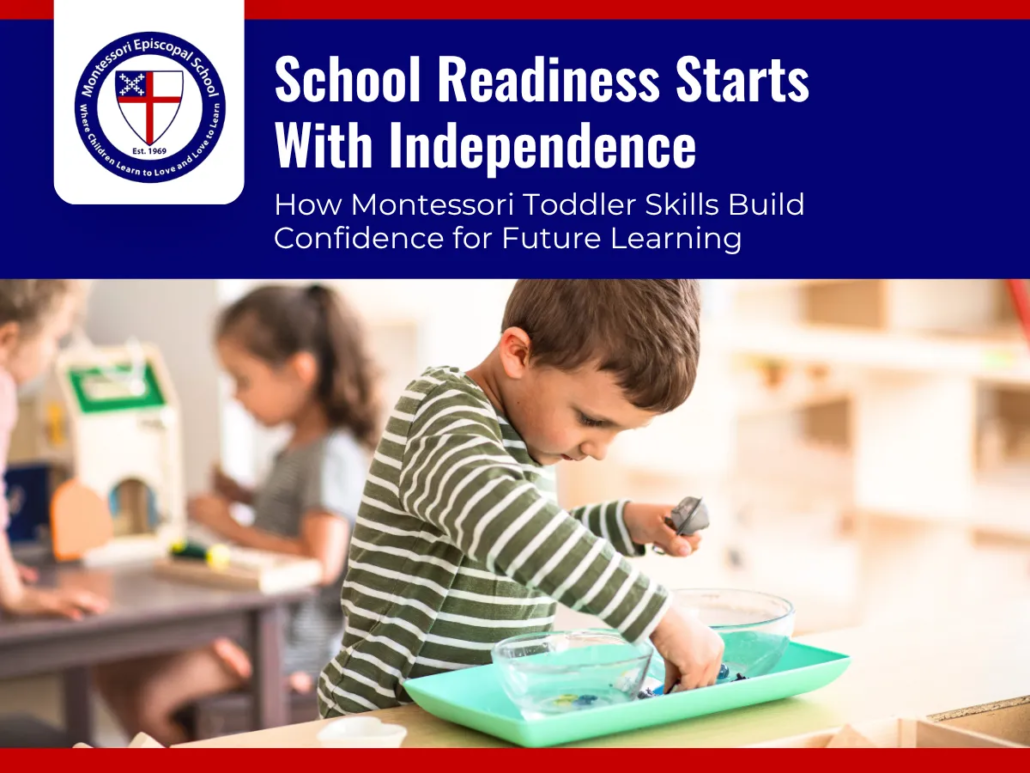
What Montessori Toddler Classroom Independence Skills Tell Parents About School Readiness
Montessori toddler classroom independence skills offer parents meaningful insight into how young children develop the confidence and abilities needed for school readiness. In a carefully prepared Montessori environment, toddlers are encouraged to complete age-appropriate tasks, make simple choices, care for their belongings, and participate in daily routines.
These experiences support concentration, coordination, responsibility, and emotional confidence. Rather than focusing only on early academic knowledge, Montessori education recognises that readiness also includes the ability to follow routines, communicate needs, solve small problems, and engage with others. Each step toward independence helps build a strong foundation for future learning and a positive transition into the next stage of education.
How a Montessori Toddler Learning Environment Encourages Independence
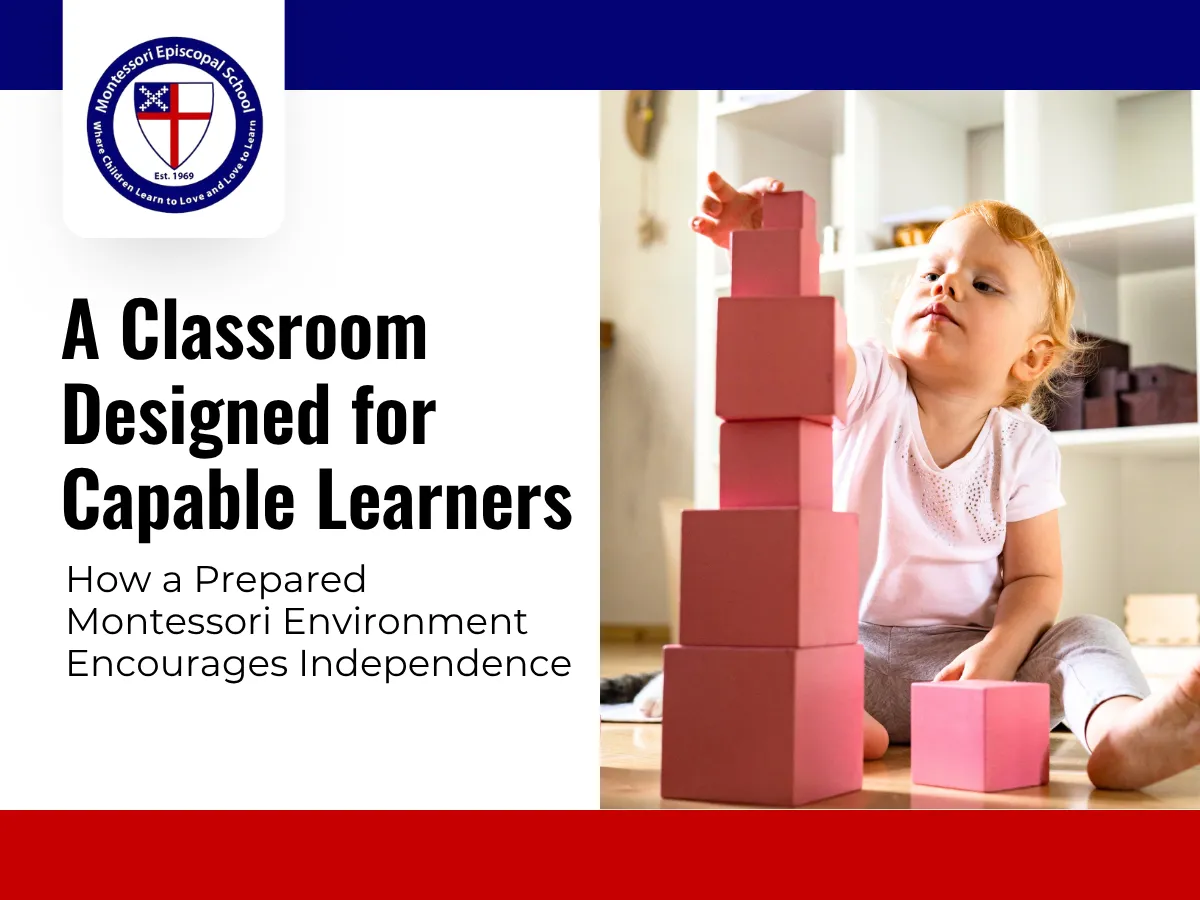
A Montessori toddler learning environment is carefully prepared to help young children participate with greater confidence and purpose. Furniture, materials, and daily routines are arranged at the child’s level, allowing toddlers to move through the classroom with increasing independence. Rather than relying on constant adult direction, children are encouraged to make simple choices, complete manageable tasks, and take responsibility for parts of their day.
A Classroom Designed for Participation
Low shelves, child-sized tables, accessible sinks, and clearly organised materials make it easier for toddlers to care for themselves and their surroundings. When children can reach what they need, they are more likely to attempt tasks independently. These small moments of participation help build coordination, concentration, and trust in their own abilities.
Common opportunities for independence may include:
- Choosing an activity from a prepared shelf
- Carrying materials carefully to a workspace
- Washing hands with appropriate guidance
- Returning items to their proper place
- Helping with simple classroom care routines
Freedom Within Consistent Boundaries
Independence in a Montessori classroom does not mean a lack of structure. Toddlers are given clear expectations, predictable routines, and respectful guidance from teachers. These boundaries help children understand what is expected while still allowing them to make age-appropriate choices.
For example, a child may choose between two suitable activities, decide where to work, or repeat a task several times. This freedom supports decision-making while preserving a calm and orderly environment.
Learning Through Purposeful Practice
Toddlers often need time and repetition before they can complete a task successfully. Montessori educators recognise that the process is just as important as the result. Teachers demonstrate activities slowly, observe, and offer assistance when it is genuinely needed.
Over time, children begin to rely less on adult intervention. They develop patience, persistence, and a stronger sense of responsibility. These early experiences help toddlers approach new challenges with greater confidence and prepare them for the expectations of future classroom environments.
Toddler Self-Help Skills Development Through Everyday Routines
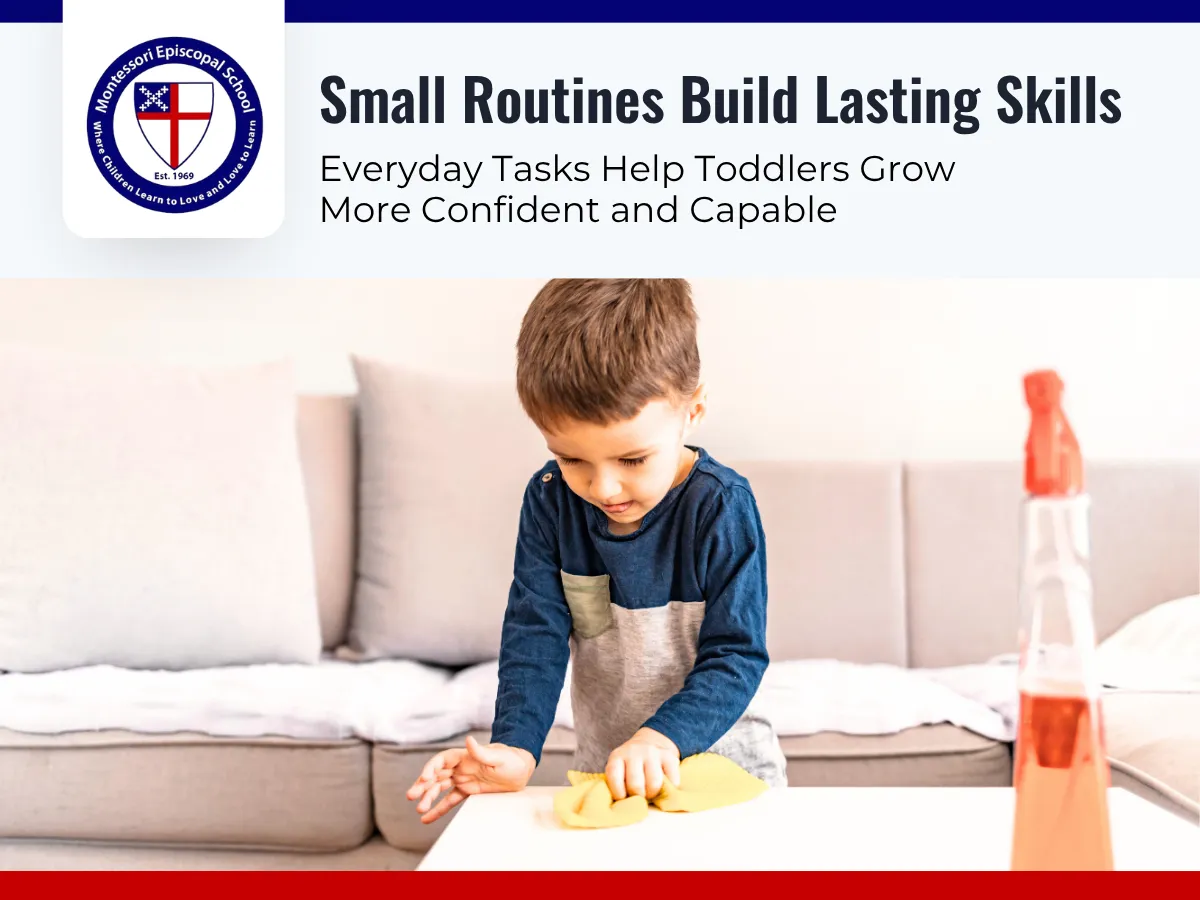
Toddler self-help skills development often begins with simple routines that children encounter every day. Activities such as washing hands, putting on a coat, carrying a plate, and returning materials to a shelf give toddlers meaningful opportunities to participate in their own care. These tasks may appear small, but they support coordination, sequencing, responsibility, and confidence.
Building Skills One Step at a Time
In a Montessori classroom, complex routines are often divided into manageable steps. A teacher may slowly demonstrate how to pour water, wipe a table, or place personal belongings in a designated area. The child can then practise the process at an appropriate pace.
Everyday self-care experiences may include:
- Washing and drying hands
- Using utensils during meals
- Putting on or removing simple clothing
- Cleaning a small spill
- Carrying and storing personal items
- Returning classroom materials after use
Each activity helps children understand that they are capable of contributing to their environment.
Why Repetition Matters
Toddlers learn through repeated practice. They may need to complete the same task many times before the movements and sequence become familiar. This repetition strengthens memory, fine motor control, concentration, and persistence.
Teachers provide support without immediately completing the task for the child. When assistance is needed, it can be offered in a way that preserves participation, such as helping with one difficult step while allowing the child to finish the rest.
Encouraging Confidence Without Pressure
Self-help skills should develop gradually and respectfully. Children are not expected to perform every task perfectly or independently before they are ready. Instead, they receive consistent opportunities to try, make adjustments, and experience success.
As these abilities grow, toddlers may become more willing to attempt unfamiliar tasks and manage parts of their routine with less adult direction. This steady progress supports practical competence while helping children develop a positive belief in their own capabilities.
Montessori Toddler Program Benefits for Early School Readiness
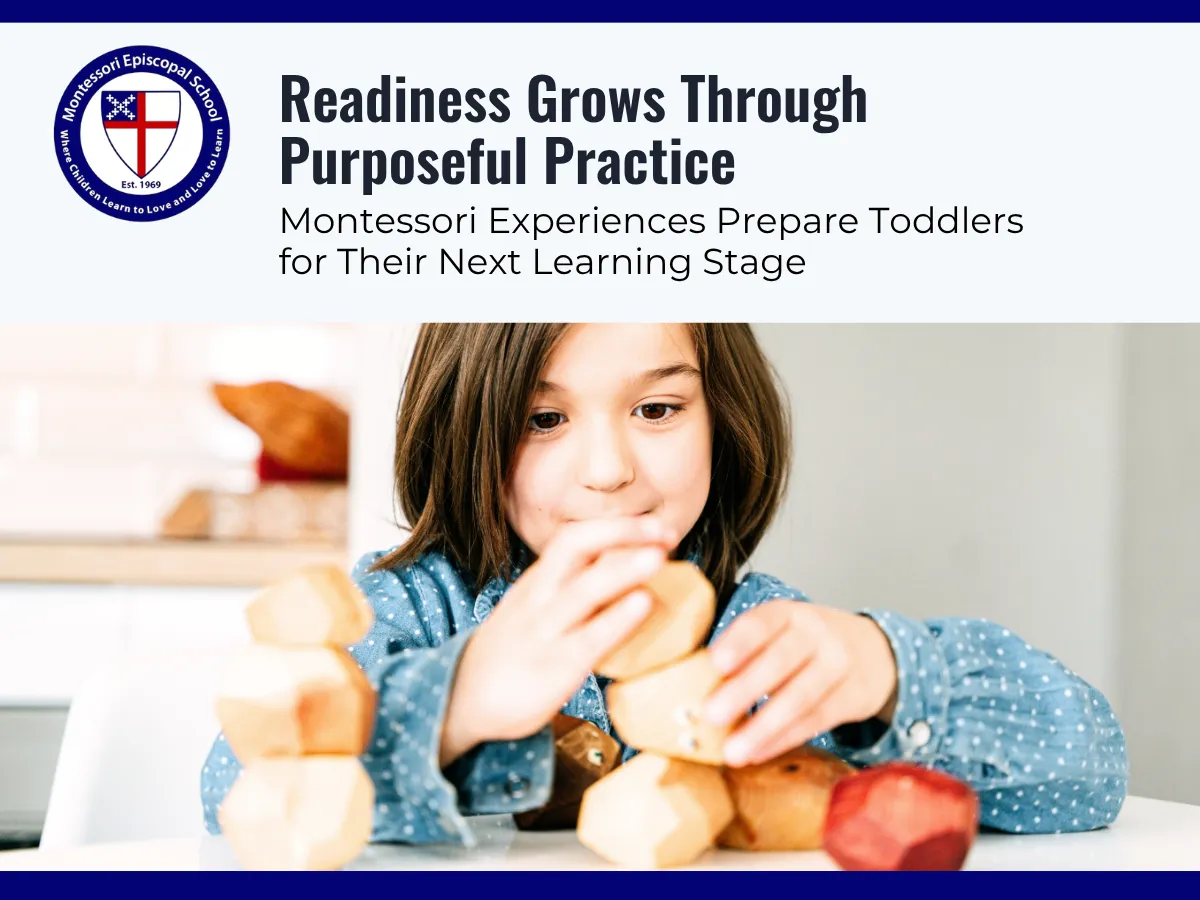
Montessori toddler program benefits extend beyond learning how to use classroom materials. A well-prepared program helps children develop the habits, confidence, and foundational abilities that support a successful transition into future learning environments. School readiness is approached as the development of the whole child rather than a narrow focus on early academic performance.
Developing Attention and Purpose
Montessori activities are designed to encourage concentration through purposeful, hands-on work. Toddlers are given time to explore materials, repeat actions, and complete simple processes. These experiences can gradually strengthen their ability to remain engaged with an activity and work toward a clear outcome.
Concentration supports many later classroom expectations, including listening to instructions, completing tasks, and participating in group experiences.
Strengthening Readiness Across Key Areas
A Montessori toddler program may help children develop:
- Communication skills: Expressing needs, listening to simple directions, and expanding vocabulary
- Motor coordination: Strengthening hand control, balance, and whole-body movement
- Executive function: Remembering steps, making choices, and adjusting to routines
- Social awareness: Working near others, respecting shared materials, and waiting when necessary
- Practical confidence: Attempting manageable tasks without depending on immediate adult intervention
These abilities create a foundation for future academic learning.
Preparing Children for Classroom Expectations
School readiness also involves understanding how to participate in a community. Predictable routines help toddlers learn when to begin an activity, where materials belong, and how to move calmly between parts of the day. They also practise responding to guidance and accepting reasonable limits.
A child does not need to master every skill before progressing to the next classroom. Readiness is visible through growing curiosity, adaptability, participation, and willingness to learn. Montessori education supports these qualities through consistent experiences that respect individual development while gently preparing children for increasing responsibility.
How Independence Supports Social and Emotional Development
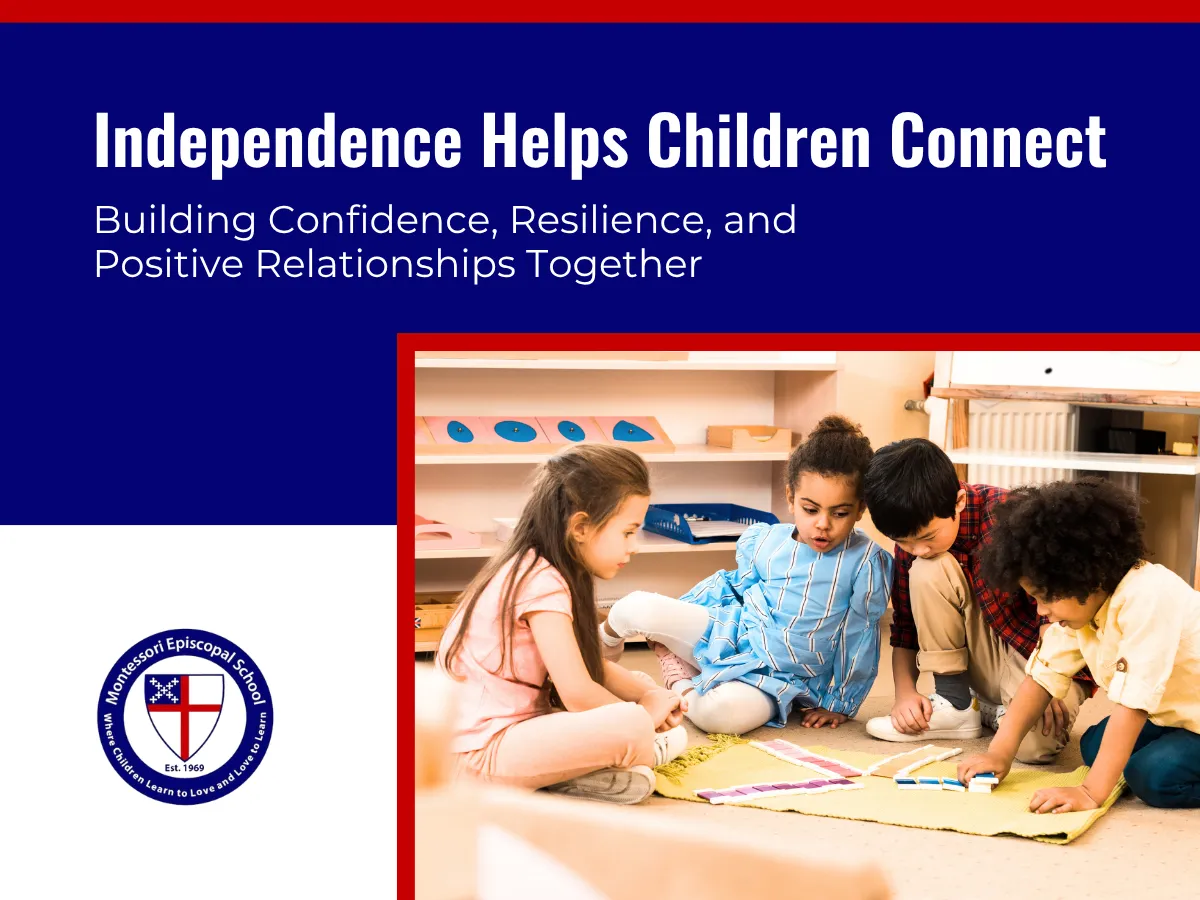
Independence contributes significantly to social and emotional development during the toddler years. When children are trusted to make appropriate choices and participate in daily tasks, they begin to develop confidence in their abilities. This confidence can influence how they respond to challenges, communicate with others, and take part in the classroom community.
Building Emotional Confidence
Completing a task independently gives a child a clear sense of accomplishment. Pouring water, putting away an activity, or fastening part of a coat can reinforce the belief that effort leads to progress.
These experiences also help children become more comfortable with small mistakes. A spill can be cleaned, an activity can be tried again, and help can be requested when needed. This approach encourages resilience without placing unnecessary pressure on the child.
Supporting Self-Regulation
Toddlers are still learning how to manage strong emotions and wait for their needs to be met. A calm, predictable environment provides the consistency needed to practise these abilities.
Independent activity can support self-regulation by helping children:
- Focus their attention on purposeful work
- Make choices within clear boundaries
- Move through familiar routines
- Persist when a task requires effort
- Recognise when they need assistance
Over time, children may become better able to manage minor frustrations and recover from disappointment.
Strengthening Relationships With Others
Independence does not mean learning without support or separating children from their community. It allows toddlers to participate more fully within that community. A child who can carry a chair, return a material, or help prepare a shared space begins to understand that personal actions affect others.
Children also learn to observe classmates, respect another person’s work, and practise patience with shared resources. As they become more secure in their own abilities, they may be more prepared to cooperate, offer help, and communicate respectfully. Independence therefore supports both individual confidence and the development of considerate, connected relationships.
Conclusion
School readiness begins with more than recognising letters, numbers, or shapes. It also develops through the everyday experiences that help toddlers become confident, capable, and engaged learners. When children are encouraged to care for themselves, participate in routines, make appropriate choices, and work through manageable challenges, they build skills that support future learning across every area of development.
Discover how Montessori Episcopal School supports your child’s growing independence. Call (972) 895-9050 or visit https://montessoriepiscopal.com/contact/ to learn more.

Leave a Reply
Want to join the discussion?Feel free to contribute!